Why you should invest in your brain wealth, and how to do it

updated on Apr 2, 2026
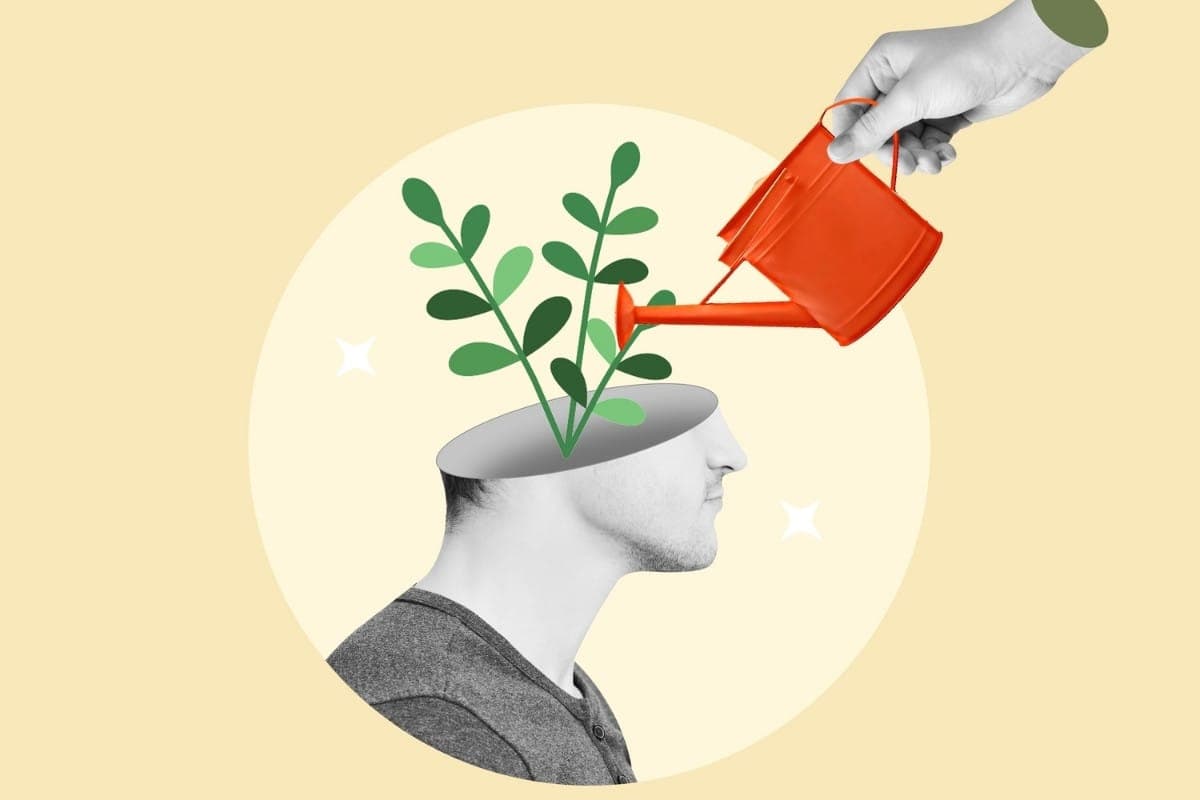
Practical solutions to set your cognitive care sky-rocketing – without it feeling like a chore
The ol’ thinker. Your thought garden. The upstairs department. Whatever you call it, how often do you have brains on your, well, brain? When it comes to our physical wellbeing, public health campaigns and general health knowledge tend to focus on other key departments, such as your heart and gut health. But a new trend is planting brain health firmly in our minds.
Have you heard the classic saying, ‘health is wealth’? Well, that’s what the brain wealth trend is all about: investing in the health of your brain throughout your life, in order to reap the rewards as you continue to age. And it’s something that we should all know more about.
The Global Brain Health Survey collected more than 27,500 responses from people in 81 countries. What it found was that, while there were significant gaps in knowledge around risk factors for poorer brain health, more than three in four respondents said that they were willing to engage in brain-healthy activities, such as exercise, relaxation techniques, healthy eating, and techniques to stimulate their brain.
The drive is there, so what’s the inside scoop on brain health, and what can we actually do to support it?
The basics of brain health
Supporting our brain is pivotal to our overall health, and when our brains aren’t functioning as they should, the impact ripples out into the rest of our lives. Behind the scenes, brains control our thoughts, speech, memory, emotions, personality, and judgement. On a physical level, brain health is what fuels movement, our immunity, and our bodily functions.
Keeping your brain healthy can be the key to a long and fulfilling life, and the World Federation of Neurology highlights five key factors that contribute to this:
1. Exercise. Staying physically active has been shown to slow down age-related brain deterioration, helping us to maintain our cognitive abilities.
2. Sleep. Consistent, high-quality sleep is just the thing for keeping your brain healthy. It fuels brain function, and helps you with your focus and decision-making.
3. Environment. Environmental factors, such as air quality and contamination in food and water, can lead to neurological issues. Additionally, head injuries also damage our brain health, so protecting ourselves from these factors is very important.
4. Diet. Balanced diets with plenty of fruit, vegetables, protein, and whole grains boost our brain health.
5. Access to care. When we’re able to access care and preventive programmes, we’re better able to catch and treat issues before they become more severe.
Challenge your memory
Memorise a song or a poem, and then try to recite it. Or take things up a gear by taking something you already know by heart, and try to memorise it in another language.
Creativity with constraints
Come up with a new meal using only what you have in your cupboards. Or spend 10 minutes writing a story that doesn’t use the word ‘and’.
Move your body in a new way
Try following a YouTube video for an activity you haven’t tried before, such as tai chi, different forms of yoga, or even dance workouts.
How to invest in your brain wealth
With those five key factors in mind, you can see that supporting your brain health naturally aligns with generally healthy habits for your overall wellbeing. But, you can level up your proactivity and stimulate your mind in plenty of other engaging and fun ways, too – so that boosting your brain doesn’t feel like a chore, but rather an exciting addition to your day.
Engage with puzzles
Whether you’re a wizard at Wordle, or prefer putting pen to paper with a puzzle book, cognitive games can be an effective way to ignite your neurons, while also feeling like a little break from the world.
A large scale 2019 study, featuring more than 19,000 adults aged 50–93, published in the International Journal of Geriatric Psychiatry, reported that more regular engagement with number puzzles was associated with improved memory, information processing, and sustained attention, among other cognitive benefits. While older research (from 2014 in the Journal of the International Neuropsychological Society) found that regularly doing crossword puzzles actually delayed the onset of memory decline in participants who develop dementia by two and a half years. Turn to p10 to try a brain teaser today.
Try the road less travelled
Taking alternative routes in daily life doesn’t just help you uncover hidden gems, but it opens up new neural pathways, too. This simple action – whether going a different direction on your commute, or simply shaking up your dog walk – helps your mind to break free from running on autopilot, and actually releases dopamine (the feel-good hormone) as a reward.
Our brains love a break from routine, because novel activities or surroundings require us to really engage with the moment, encourage decision-making, and support our memory and learning. This is evidenced in 2024 research in Frontiers in Aging Neuroscience, which found that people who tried a range of leisure activities in early and mid-life saw healthier brain activity patterns as they aged, demonstrating that variety really is the spice of life.
If venturing into the unknown feels too anxiety-inducing, you could still dip your toe into novelty and embrace originality by trying something simple, like brushing your teeth with your non-dominant hand, or reading a book outside of your go-to genre.
Piece together a jigsaw
In a similar vein to number or word puzzles, jigsaws could be seen as a mental workout – but one that can also feel relaxing, and give you a sense of accomplishment as the picture falls into place. The activity requires problem-solving, pattern recognition, spatial reasoning, and logic, among other skills, helping to stimulate your mind even in a more relaxed environment, with another study, published in the journal Frontiers in Aging Neuroscience in 2018, noting that long-term jigsaw puzzling engaged multiple cognitive abilities, including visuospatial cognition (i.e. our ability to analyse and visualise shapes and structures).
Whether you prefer to throw yourself boldly into new challenges or slow down with purposeful relaxation, there’s definitely an activity out there that will help you put the ‘fun’ back in healthy brain function. Whatever you choose, do it as consistently as possible, and you’ll be setting yourself up for life-long investment into your brain wealth.



Find a professional today
Try our guided search tool, we can connect you with over 20,000 professionals.