Why does your period feel worse in a heatwave?

updated on Jul 14, 2026

From cramps and fatigue to headaches and poor sleep, hot weather can make some period symptoms feel more intense. Here's why hot weather can make existing symptoms feel worse – and the simple ways you can support your body when temperatures rise.
If there’s one thing Brits love talking about, it’s the weather. Whether it’s complaining about the rain or bemoaning the handful of sunny days we get each year, it’s kind of our thing. Yet when it comes to heatwaves, it can feel like we’re facing a losing battle: houses built to retain heat, a distinct lack of aircon, and an infrastructure that, frankly, isn’t designed to handle this kind of heat. So it can feel like going from uncomfortable to downright miserable when, on top of all that, you have to deal with your period – and related symptoms – too.
If you’ve ever found yourself thinking, ‘Why does my period feel so much worse when it’s hot?’ you’re not alone. Heatwaves can leave all of us feeling tired, sluggish and uncomfortable, but if you’re also navigating cramps, bloating, headaches or fatigue, the soaring temperatures can make things feel even more challenging.
While hot weather doesn’t necessarily change your menstrual cycle, it can make existing symptoms feel harder to manage. That’s because your body is working harder in the heat to regulate its temperature, and natural hormonal changes throughout your cycle can affect how efficiently your body keeps cool. Throw in disrupted sleep (is anyone sleeping well in this heat?), along with the risk of dehydration into the mix, and it’s easy to see why your usual coping strategies might not feel like they’re going far.
The good news is that there are simple ways to support your body as temperatures rise. From understanding what’s happening behind the scenes to making a few small changes to how you’re eating, drinking, and cooling down, here’s what the science says about periods and heatwaves – and what you can do to feel a little more comfortable.
Can hot weather make your periods feel worse?
While we’d all like a definitive yes or no, it depends. For some women and people who menstruate, hot weather – like heatwaves – can make existing period symptoms feel more intense or harder to manage, even though it doesn’t change your menstrual cycle itself.
If you’re already dealing with symptoms commonly associated with your menstrual cycle, like bloating, headaches, tiredness, irritability, anxiety and feeling low, then adding soaring temperatures to the mix can be both mentally taxing and physically draining.
Staying cool takes energy. When your body is already navigating natural hormone changes that happen throughout your cycle, it’s no wonder you can be left feeling out of sorts or not like yourself. But what does science have to say about menstrual health and heat?
Why can heat make period symptoms feel more intense?
While research into the relationship between heat and menstrual health is still emerging, experts suggest several reasons why hot weather may amplify symptoms. Hormones play an important role in regulating body temperature, while dehydration, poor sleep, and the added strain heat places on the body can all make you more uncomfortable than usual. Or, to put it simply: your body is already juggling hormonal changes throughout your cycle. Adding a heatwave to that is asking it to work even harder to stay cool.
Throughout your menstrual cycle, levels of oestrogen and progesterone naturally rise and fall. Progesterone, which increases after ovulation during the second half of your cycle, can slightly raise your core body temperature. Meanwhile, oestrogen plays an important role in your body's thermoregulation – the process of keeping your internal temperature within a healthy range. As these hormones fluctuate, it's not unusual to feel more or less sensitive to heat at different points in your cycle.
Hot weather adds another layer of work for your body. To stop you overheating, your heart has to work harder to pump blood towards the skin, where heat can escape, while sweating helps cool you down. Some research suggests women tend to start sweating at a higher body temperature than men and often produce less sweat overall, meaning it can take longer for the body to cool itself down.

Women’s health experts have described heatwaves as a ‘stress-test’ for the cardiovascular system. Because your body has to work harder to keep itself cool, your heart pumps more blood towards the skin to help release heat. For some people, that extra effort, combined with the hormonal changes of the menstrual cycle, may leave them feeling more fatigued or uncomfortable.
It's also worth remembering that menstruation is already a physically demanding process. Alongside hormone changes, your body is managing inflammation and, for many people, pain. Hot weather can make this balancing act even trickier, especially if you're not sleeping well. One recent study found that people sleeping through a simulated heatwave experienced higher overnight body temperatures and shorter sleep durations, despite adjusting their bedding to try to stay cool. Poor sleep can then have a knock-on effect, making symptoms such as cramps, fatigue, irritability and low mood feel more difficult to manage the next day.
How much heat affects each of us varies, but there are some common symptoms that many people find become harder to manage when temperatures rise.
Which period symptoms can hot weather make feel worse?
Not everyone experiences the same PMS symptoms, so it only stands to reason that we don’t all notice changes in how our periods affect us during hot weather. But if you’re feeling more uncomfortable than usual during a heatwave, or your period is approaching and you’re dreading what to expect, here are some of the most common ways weather can amplify existing period symptoms:
Cramps - heat doesn’t directly make cramps more painful, but the combination of dehydration, inflammation and poor sleep (all of which can be more likely in hot weather) can make pain feel harder to manage.
Fatigue - your body uses extra energy to regulate its temperature during hot weather. Combined with hormonal changes, blood loss during your period, and low iron (something many people experience while menstruating), this can impair your body’s ability to regulate temperature. It can also leave you more sensitive to heat; it’s no surprise that you might feel more tired than usual.
Headaches and migraines - hot weather and dehydration are common headache triggers, so if you're already prone to menstrual headaches or migraines, a heatwave may make them feel more frequent or intense.
Bloating - hormonal changes can already leave you feeling bloated around your period, and hot weather may add to that uncomfortable, sluggish feeling.
Irritability and mood changes - if you’re already feeling hot and uncomfortable, it’s not surprising that you can feel irritable, too. Poor sleep, discomfort and hormonal changes can all influence your mood and resilience.
Poor sleep - warm nights can make falling – and staying – asleep even harder. Even one or two nights of poor sleep can leave period symptoms feeling more difficult to manage the next day.
Everyone’s experiences are different. You might recognise some of these symptoms or none at all. What’s really important is to listen to your body and to give it the support it needs, especially during periods of extreme heat. So, how can we best do that?
How to support your body during your period in hot weather
You don’t have to simply put up with feeling uncomfortable. While you can’t control the weather, there are plenty of small changes you can make – at home and on the go – to help support your body, ease period discomfort, and make hot days a little more manageable.
Cool your body, not just the room
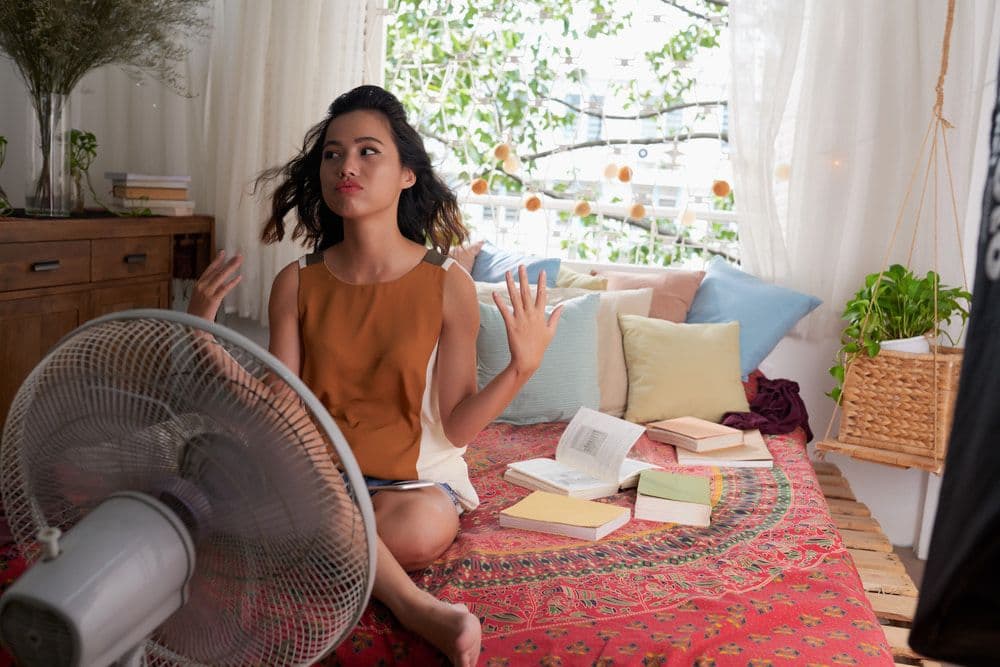
While fans can feel like a huge relief, they don't actually cool the air around you. Instead, they help sweat evaporate from your skin, which is what cools your body down. Bringing your own body temperature down can be just as effective as trying to cool the whole room. Try a cool shower, run cold water over your wrists and neck, or press a cold bottle or damp flannel to your pulse points to help your body lose heat more efficiently.
Stay hydrated (before you feel thirsty!)
When it’s hot, it’s important to stay on top of your hydration before you start feeling thirsty. Your body loses more fluid through sweat than normal, making it even more important to keep drinking regularly. Rather than waiting until you feel thirsty, keep a bottle of water nearby and sip little and often.
Headaches, dizziness, difficulty concentrating, a dry mouth, pain when urinating, or darker-than-usual urine can all be signs of dehydration.
If you're looking for more ideas, Nutritionist Resource’s guide to increasing your fluid intake has plenty of practical tips.
Water is a great choice, but it's not the only drink that counts towards your daily fluid intake. Diet, sugar-free and no-added-sugar drinks can all help you to stay hydrated, as can lower-fat and plant-based milks. The NHS recommends limiting fruit juice and smoothies as they can be high in sugar. If you’re not a fan of the taste of plain water, adding sliced fruit, no-added-sugar squash, or trying sparkling water can all help.
Eat to support your energy
Both periods and heatwaves can leave you feeling drained. While it can be tempting to skip meals or switch to snacking when it’s uncomfortably hot, prioritising balanced meals and regular snacks can help you get the nutrients you need. Building meals around protein, fibre and iron-rich foods can help support steady energy levels, while nutrients such as vitamin B12 and folate are important for normal energy production and overall health.
Find out more about the foods that give menstruating people energy.
If you have particularly heavy periods, you may also want to speak to your GP if you're concerned about low iron levels. Iron deficiency can contribute to fatigue and make coping with hot weather feel even more challenging.
Protect your sleep
A hot, restless night can leave period symptoms feeling harder to cope with the next day. Keep your bedroom as cool as possible by closing curtains during the day, opening windows at night (if it’s cooler outside than in), and consider taking a cool shower before bed to help lower your core body temperature.
Wear loose, breathable clothing
Natural fabrics like cotton and linen allow cool air to circulate more easily. Choosing loose-fitting clothes can help your body release heat more effectively, while light-coloured fabrics reflect heat, helping you to feel more comfortable throughout the day.
Move earlier or later in the day
You don’t have to stop exercising altogether in the hot weather. It can help to rethink when and how you move. If you can, ditch the lunchtime workout or early afternoon walk in favour of morning or evening walks, yoga, or gentle stretching. Avoid intense activity during the hottest part of the day (typically between 11am and 3pm).
Most importantly, listen to your body. If you're feeling unwell or unusually fatigued, it's OK to take a break and return to your usual routine when you're feeling better.
Choose foods that help you stay hydrated
Remembering to drink enough isn’t the only way to stay hydrated. Water-rich foods like watermelon, cucumber, tomatoes, strawberries, oranges and yoghurt can all contribute towards your hydration while providing vitamins and minerals that support your overall wellbeing. So if you’re stuck wondering what to eat, a summer salad really can be a good choice.
Nutritional Therapist, mBANT, rCNHC, Jayne Higgins shares her favourite summer salad recipes.
Know when to slow down
Heatwaves and menstruation both ask a lot of our bodies. If you’re feeling more affected than usual, be kind to yourself. Take things slowly and rest where you can. That isn’t being lazy. Giving yourself permission to rest isn't a sign of weakness; it's your body's way of asking for a little extra support.
While it’s normal to feel a little more uncomfortable during a heatwave, some symptoms shouldn’t be ignored. If you’re worried about your symptoms, speak with your GP or NHS 111. The NHS explains more about the signs of heat exhaustion and heatstroke, how to cool down, and when to seek help.
Supporting your body and looking after yourself during a heatwave
Heat won't necessarily change your menstrual cycle, but it can make existing symptoms feel harder to manage. When your body is already navigating hormonal changes, adding soaring temperatures into the mix can leave you feeling more drained, uncomfortable or out of sorts than usual.
The good news is that small changes can make a meaningful difference. Staying hydrated, eating nourishing foods, finding ways to keep cool and making time to rest when you need it can all help support your body until temperatures ease. Most importantly, remember that you don't have to push through if you're struggling. Listening to your body's needs and responding with kindness isn't giving up – it's giving yourself the care and support you deserve.



Find a professional today
Try our guided search tool, we can connect you with over 20,000 professionals.