Mushrooms and fermented foods could ease period pain, new study finds

updated on Apr 28, 2026

New research suggests that an antioxidant found in some mushrooms and fermented foods may help with menstrual pain
For many of us, periods can be far from pleasant – and when it comes to pain, it may affect more people than we realise. Period discomfort can impact work, social plans, and overall quality of life. While the exact number of people who experience period pain (dysmenorrhea) varies greatly between studies, research suggests anywhere as high as 97% experience painful periods, and nearly a quarter (24%) of girls in the UK experience pain every time they have a period.
Period pain is thought to be caused by the uterus producing higher levels of prostaglandins (inflammatory chemicals to help it contract and shed its lining). This can cause the uterus to press against nearby blood vessels, causing pain. It has also been linked to oxidative stress – an imbalance between harmful molecules and the antioxidants that help protect your body – which can contribute towards aging and chronic diseases.
While different methods like applying heat, taking over-the-counter pain medication, gentle exercise, and staying hydrated can help relieve cramps, researchers are continuing to explore new options, including the role that supplements could play.
The study looked at 40 women aged 18-30 diagnosed with period pain who did not have a specific condition like endometriosis, and had not used painkillers to help with their period during the past month. Half were given 120mg of L-ergothioneine to take every day across three menstrual cycles, while half received a placebo.
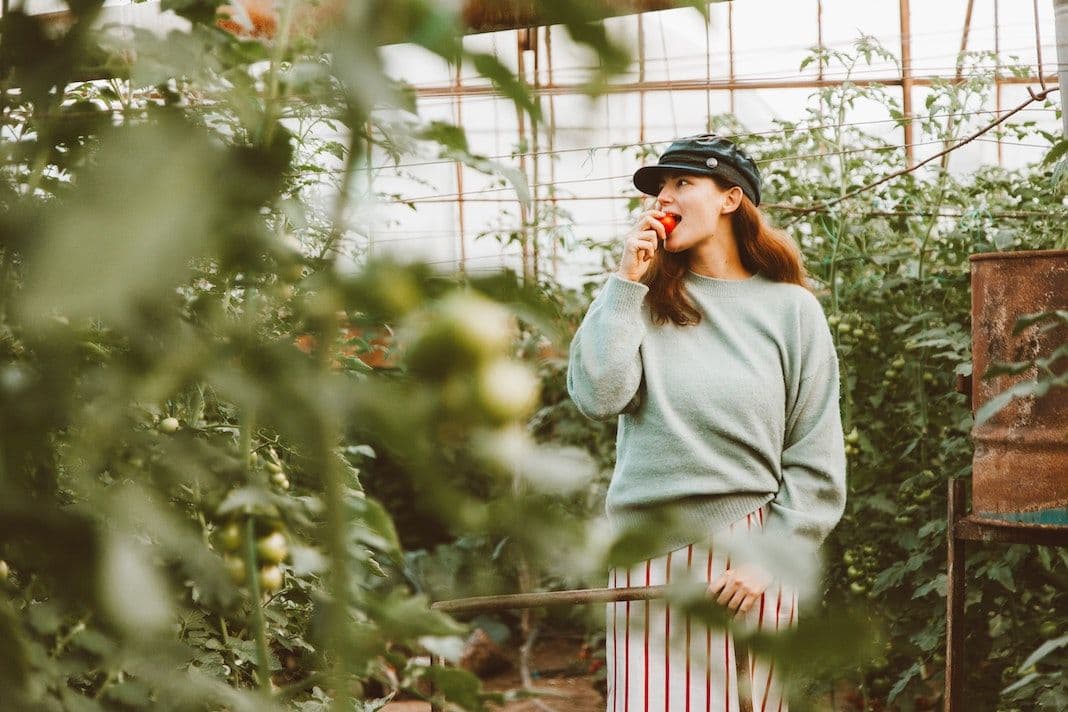
L-ergothioneine is a naturally occurring compound found in foods like mushrooms – particularly porcini, oyster, king trumpet, and shiitake – as well as smaller amounts in fermented foods such as tempeh, kimchi, miso, and black garlic.
Participants who took a daily L-ergothioneine supplement over three menstrual cycles showed a steady reduction in pain. Results showed that those who took the supplement reported their pain score dropping from an average of 4.8/10 at the beginning of the study, to 4.1, 3.6, and 2.3 during the course of the study. Researchers believe this may be because L-ergothioneine becomes more effective over time as it accumulates in cells.
Those in the placebo group saw no significant reduction in pain. Rather than blocking pain after it starts, researchers believe it could help protect cells in the uterus from damage linked to cramps.
No difference in inflammation levels were found between the groups, supporting the idea that L-ergothioneine may work through a more novel pathway than many existing painkillers. Further research on a larger scale is still needed to give a better idea of the long-term effects and safety of L-ergothioneine, and any potential side effects.
While this doesn’t mean mushrooms and fermented foods are a quick fix, it highlights how small, everyday dietary choices could play a role in supporting your wellbeing over time. It’s important to remember that supplements aren’t suitable for everyone, and getting nutrients through a balanced diet is often the first step. If you’re considering supplements, it’s best to speak with a healthcare professional.
Natural ways to ease period pain: can diet, exercise, and mindset help?
While what you eat and how much you exercise won’t completely get rid of menstrual pain, many people find that dietary and lifestyle changes can have a positive impact. Small changes can help to reduce bloating, stabilise blood sugar, and boost your mood, which can lessen painful symptoms and make them more manageable.
Premenstrual syndrome (PMS), also known as premenstrual tension (PMT), is a combination of physical, emotional, and behavioural symptoms that happen around one to two weeks before some people’s period begins, often leading to mood swings, irritability, bloating, headaches, joint or muscle pain, and appetite changes. PMS is thought to affect around three in every four people with female reproductive organs. While the exact cause isn’t clear, changing hormone levels, low levels of B6, stress, inflammation, and high intake of caffeine, alcohol, or sugar may all play a role.
Small dietary changes can help ease symptoms for some people. These can include:
- Aiming to eat 20-30 grams of protein and plenty of fibre with all of your meals to help balance blood sugar levels and reduce cravings.
- Staying hydrated to avoid making symptoms worse (particularly headaches and tiredness).
- Opting for complex carbohydrates high in vitamins and minerals to keep you fuller for longer and provide slow-release energy.
- Reducing your caffeine, alcohol, and sugar intake to avoid these affecting your mood and energy levels.
Studies have also shown that high and low intensity exercise can help reduce menstrual pain.
For some people, period pain can be made worse by related feelings of stress, anxiety, and tension, which can make physical symptoms feel harder to cope with. Speaking with a counsellor can be another way of developing coping strategies, learn relaxation techniques, and finding ways to reframe pain, that can help symptoms to feel less intense.
While more research is still needed, these findings offer a promising step towards gentler, holistic ways to help manage period pain. If symptoms are affecting your daily life, speaking to a healthcare professional can help you explore the support that’s right for you.



Find a professional today
Try our guided search tool, we can connect you with over 20,000 professionals.