Meal prep shortcuts for when executive function is low
updated on Mar 23, 2026
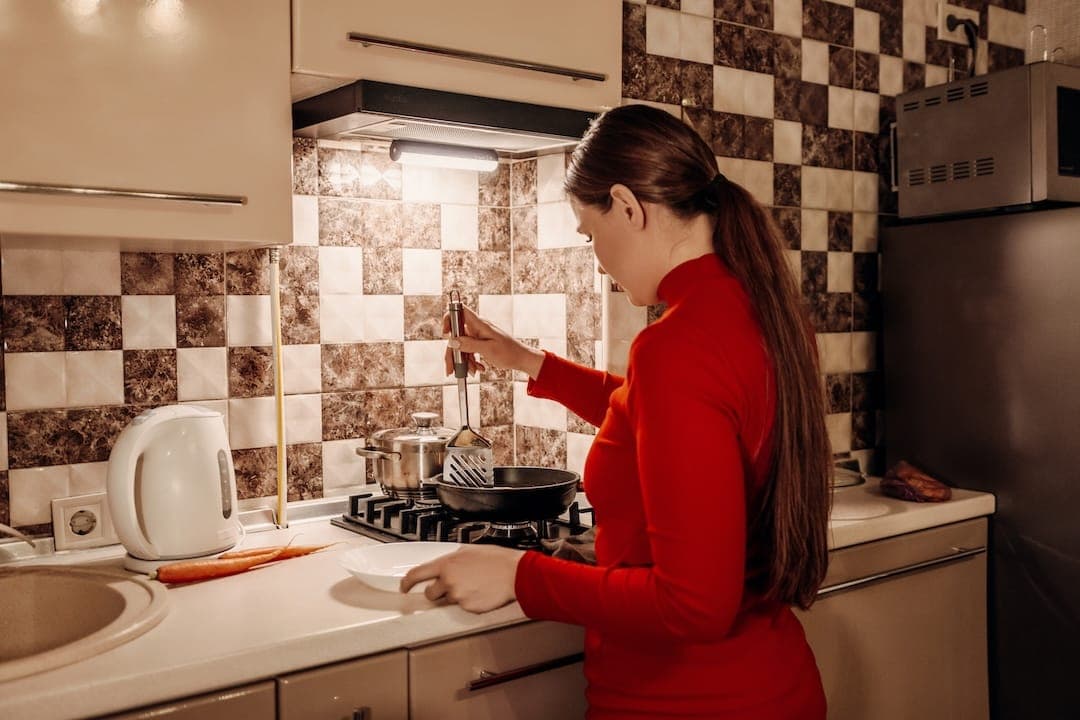
Cognitive overload can mean that when it comes to mealtimes, you might end up with nothing left in the tank. For those days – or weeks – here are some tips to nourish your body, and mind, with as little effort as possible…
After a long day, cooking up a storm in the kitchen is often the last thing we want to do. While we know that nutritious meals and taking care of ourselves are important, for many people, the planning, organising, and preparing of food can be particularly difficult and draining.
Although it isn’t a diagnosis in itself, having low executive function can manifest as having trouble initiating tasks, becoming easily distracted, or feelings of overwhelm. It can also be a symptom of certain conditions, such as attention deficit hyperactivity disorder (ADHD) or depression – and makes everyday tasks, such as planning and making meals, extremely challenging.
So, how can we simplify meal prep when executive function is low?
Recognise it isn’t your fault
“Executive function is the brain’s ‘management system’ – the set of cognitive processes that help us plan, organise, prioritise, initiate, and complete tasks, as well as make decisions,” says psychologist Dr Katie Barge.
These abilities rely heavily on the brain’s prefrontal cortex, but when the nervous system is overwhelmed, this region becomes less accessible, and we default more to instinctive, short-term responses.
“During burnout, depression, ADHD episodes, anxiety spikes, or chronic illness flares, the brain often shifts into energy-saving or ‘survival’ mode,” says Dr Barge. “This makes everyday tasks, like deciding what to cook or following steps in a recipe, feel disproportionately hard.”
When you think about it, cooking isn’t just one single task; it involves deciding what to eat, checking the ingredients, following steps, managing timings, and more.
“For a depleted brain, this creates cognitive overload,” says Dr Barge. “Even the smallest friction point, such as an empty cupboard or too many choices, can be enough to shut the system down. Then people default to skipping meals, grazing, or grabbing whatever is easiest.”
Reframe guilt around convenience foods
Negative self-talk is common, especially when seemingly small tasks feel insurmountable. It can lead to feelings of guilt and self-blame, which can make tasks even more difficult, says Yuko Nippoda, psychotherapist and spokesperson for the UK Council for Psychotherapy.
“You might hear internal critical voices telling you that you must plan meals carefully, but it is not necessary to listen to those voices,” she says. “Tell yourself it is more important to look after yourself. Aim for meals with vegetables, protein, and carbohydrates. If chopping vegetables feels difficult, choose ones that don’t need cooking, like lettuce or cherry tomatoes.”
Convenience foods often carry unnecessary shame, but they exist for a reason – and one of those reasons is to reduce cognitive load. If your budget allows, healthy options include fresh tortellini, which can be boiled in a few minutes, microwaveable rice with vegetables, ready-made soups, or at-home stir-fry kits.
“When executive function is low, you are not choosing the ‘easy option’, you’re choosing the compassionate option,” says Dr Barge. “A few reframes to support this include: ‘Eating something is always better than eating nothing,’ and ‘Convenience food is a tool, not a failure.’”
Create a list of repeat,or ‘default’, meals
It can help to have a list of easy-to-prepare, ‘default’ meals that you can make in a few minutes. For example, pasta and pesto with some chopped up tomatoes, beans on toast, scrambled eggs, or shop-bought falafel served in a wrap.
“Eating the same breakfast or lunch every day reduces decision-making demands dramatically. Consistency is a form of self-care, not laziness,” says Dr Barge.
“These are gentle, supportive habits, not rigid routines. Write down one breakfast, one lunch, and one dinner that requires zero thought, such as yoghurt and fruit, microwavable rice with tuna and spinach, and soup and bread.”
Keeping this list on your fridge or on your phone will make shopping and planning ahead much easier.
Ingredients, assemble
You don’t need to spend hours in the kitchen to eat a filling, healthy meal. You could try wholegrain toast and nut butter with a banana, pre-chopped vegetables with hummus and pitta bread, or a rotisserie chicken with tinned vegetables.
“Choose assembly rather than cooking,” says Dr Barge. “Put things together like wraps, bowls, sandwiches, and snack plates.”
Think of the charcuterie sharing boards you see in wine bars, or the ‘girl dinner’ trend of plating up your favourite cold snacks on a plate with dips and crackers. It takes just a few minutes, and can incorporate lots of fresh vegetables, making it both healthy and filling.
Use your ‘good’ days to prepare food for later
On days when you have more energy or time, it can help to organise meals for moments when you have lower executive function. Pre-portion ingredients when you feel up to it, and keep some ‘grab and go’ items available in your fridge, like boiled eggs and cooked pasta that you can reheat. Cooking double portions whenever possible can also provide leftovers for the next day, or be stored in the freezer for a later date.
Remember, mental health is as valid as physical health, and low energy requires low-effort solutions. “Giving yourself permission to choose ease is a form of resilience, not avoidance,” adds Dr Barge.



Find a professional today
Try our guided search tool, we can connect you with over 20,000 professionals.