Discover the movement that embraces the beautiful chaos of wild, native plants
Poet William Blake famously described England’s ‘green and pleasant land’, so perhaps, despite modern urbanisation, it won’t surprise you to hear that gardens in the UK cover 959,800 hectares – 3.1 times the size of UK national nature reserves. They are estimated to hold 158 million tonnes of carbon (which is equal, per hectare, to a 30-year-old nature woodland), and support around half of all UK birds, mammals, butterflies, reptiles, and amphibians as mini sanctuaries amidst suburbia – that’s according to the Royal Horticultural Society’s RHS State of Gardening Report 2025, which is putting the power of these underestimated everyday eco havens in the spotlight.
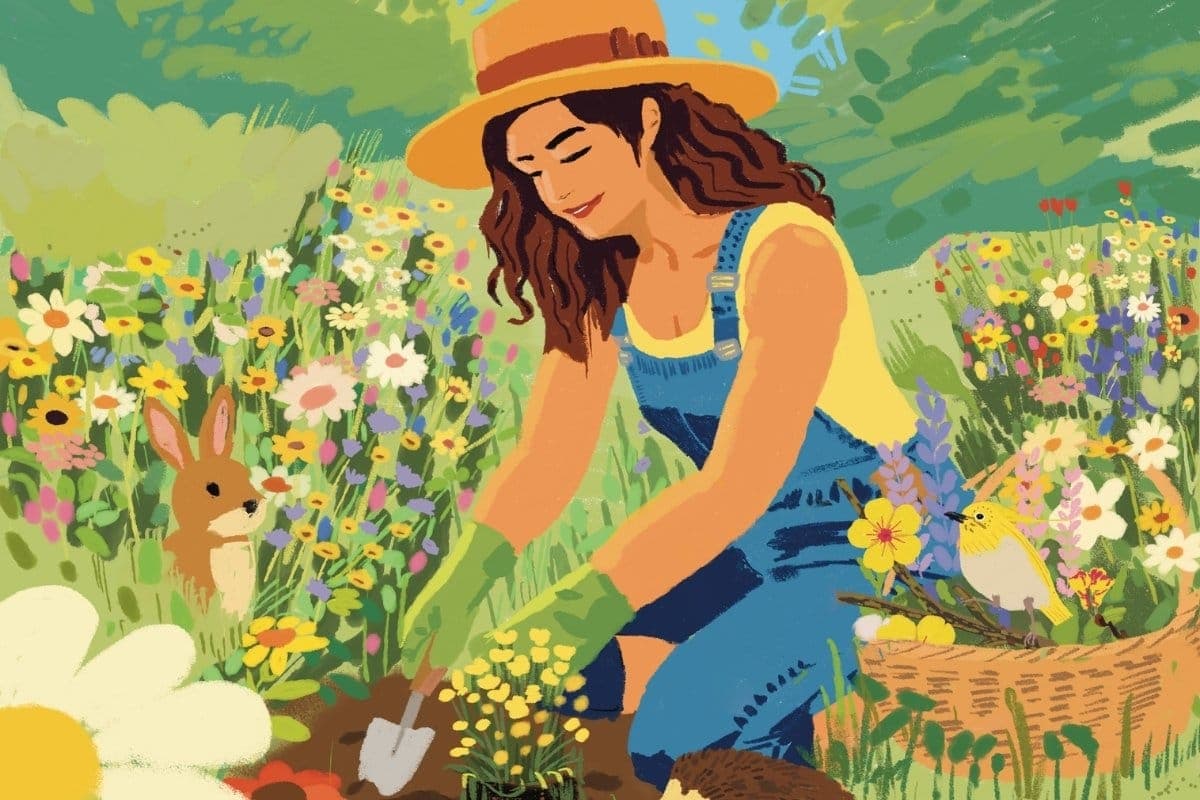
The impact of personal gardens, no matter their size, is indisputable, and a new trend, ‘meadowscaping’, is taking things to a whole new level. At its core, meadowscaping is about taking a step back from our gardens and letting nature do its thing, within some limits. It’s not about neglecting your natural space, but about encouraging native grasses and flowers to flourish where you might usually have a manicured lawn, creating a biodiversity haven, and a rich habitat for wildlife.
Originating in the US, where native plants often take a back seat in pursuit of the goal of a manicured lawn, and happening in built-up areas where urbanisation meant that nature was being repressed, meadowscaping is a planting philosophy that can be adopted anywhere in the world – as it focuses on planting native species that would naturally thrive in that area.
As confirmed by a 2021 paper published in Landscape and Urban Planning, native plants often provide a better habitat for native wildlife than non-native plants, as both have evolved together. At the same time, the UK government’s latest State of Nature report, from 2023, has marked a decline in both these habitats and species – so every meadow makes a difference!
If you’re looking to experiment with meadowscaping, without converting your entire garden, there are alternatives allowing you to still give it a go: you could border just one patch of your garden; or start prioritising native plants in your pots and borders.
Get growing
Ready to give it a go? If you already have a lawn in your garden, it couldn’t be easier: simply leave it alone. Letting your grass grow long is the quickest and easiest way to embrace meadowscaping, as nature does all the work for you. You may find that you have native plants growing in the garden that you have never seen before, or you could be surprised by what blooms from your soil.
Of course, we use our gardens for many reasons, so you don’t have to devote every inch to your meadow. Instead, use a lawn mower to create paths from the longer grass, and decide whether there will be sections of your garden that you keep neater so that you can use them for relaxation, along with other garden activities.
An alternative approach is to be more deliberate about your meadow, by planting wildflower seeds. You can buy these seeds in vast quantities from garden centres and online, taking the decision-making and searching out of the process, and make this a really accessible way to bring back some biodiversity.
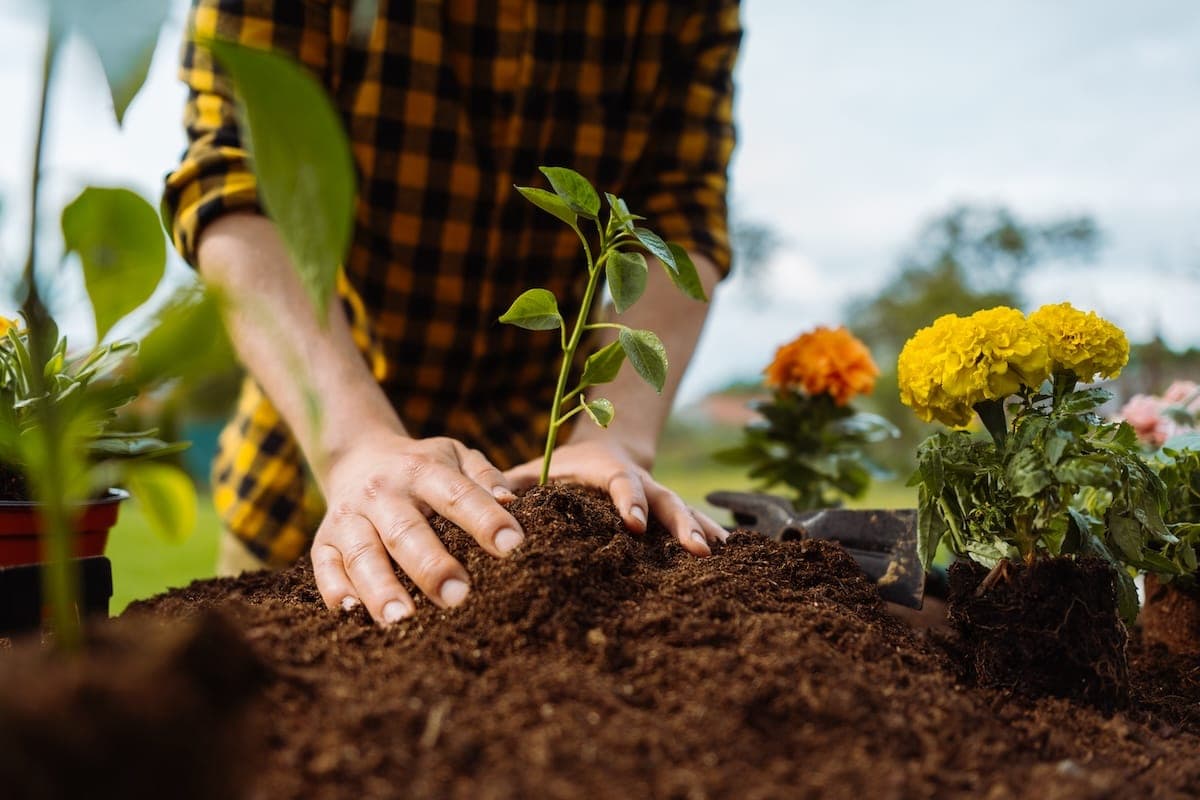
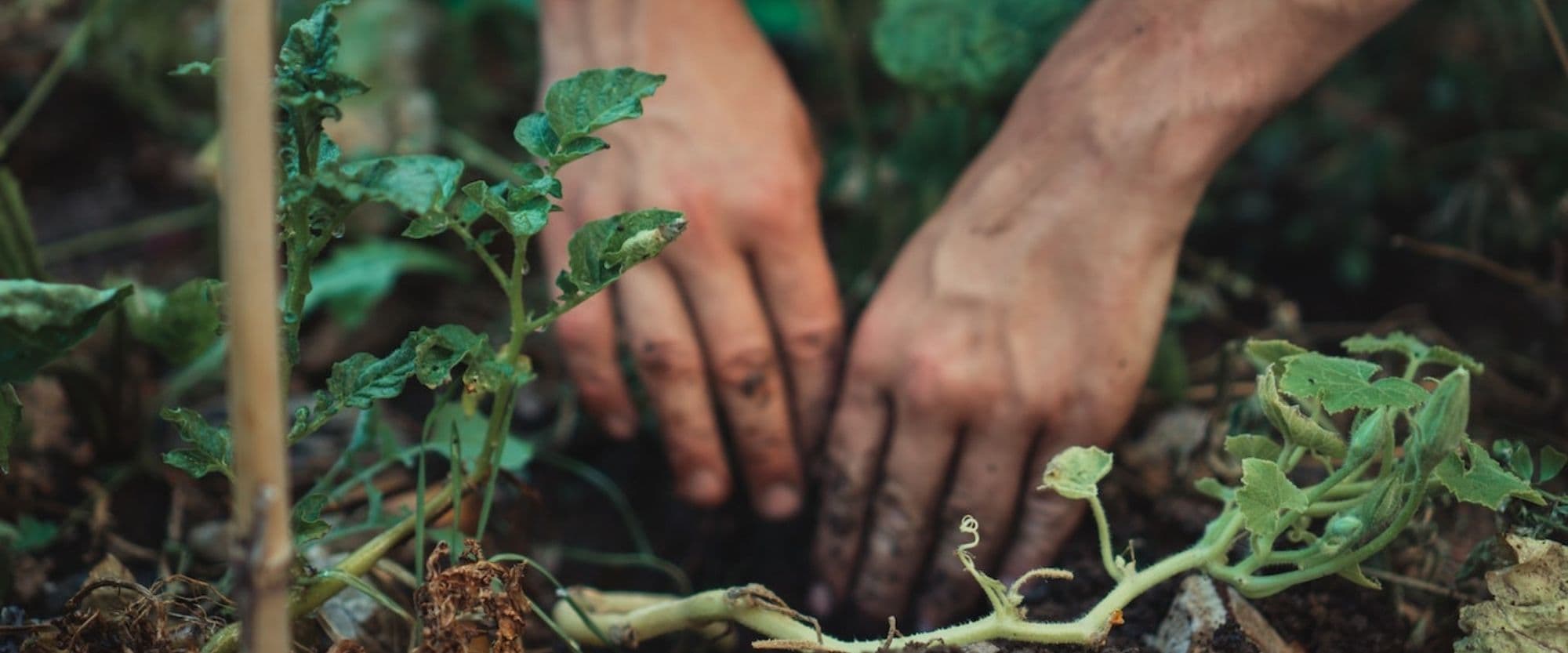
When it comes to planting, first, you need to take a look at the soil you are working with. You might want to test the pH level before you begin (you can find kits in garden centres and online), which will give you an idea of which plants will flourish in the environment you have (eg. most UK wildflowers prefer neutral to slightly acidic soils, but there are options for alkaline soils, too). Next, spend some time rotavating, or ‘turning over’, the soil. You don’t need fancy tools to do this; a standard gardening fork is all you need. When you come across large weeds, pull them out and discard. Once your soil is prepped, rake it over to create seedbeds, then scatter the wildflower seeds, rake over the soil lightly, and water.
. Foxglove
. Oxeye-daisy
. Wild carrot
. Greater knapweed
. Yarrow
. Wild thyme
. Yellow rattle
. Red clover
. Common mallow
A rewilded mind
Meadowscaping has the potential to boost the ecosystem, but it’s about so much more than just that. Nurturing nature in an urban environment can be used as a political statement on the importance of access to nature, and respecting a place’s roots, but there are also mindset lessons to be unearthed in this trend, too.
While there’s nothing wrong with manicured lawns and neat borders – which are their own type of beauty, and take a lot of care and time – sacrificing on the aesthetics for a greater good, and letting go of the pursuit of perfection in order to welcome something that you have far less control over, feels like a relevant lesson in a world where ‘image’ matters. The impact of meadowscaping grows roots deep below the beautiful flowers on the surface, and all it takes to begin is a handful of seeds, along with a willingness to sit back and see what happens.



Find a professional today
Try our guided search tool, we can connect you with over 20,000 professionals.