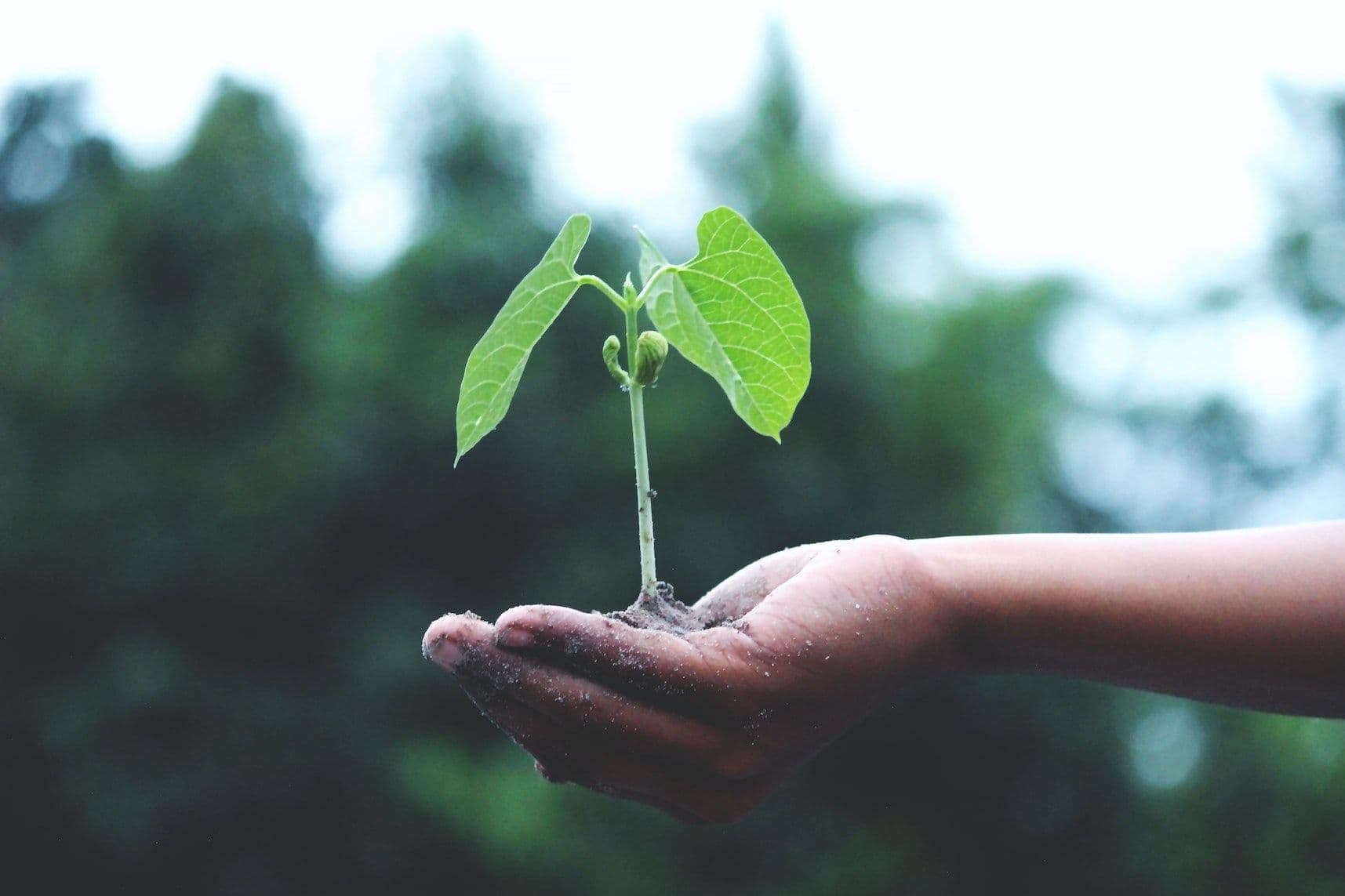
Is regenerative living the antidote to eco-anxiety?

updated on Sep 26, 2026
Is it time to expand our thinking beyond reducing our impact on the environment, and towards a way of living that actively restores it? Discover the optimistic eco philosophy
Tread lightly; reduce, reuse, recycle. The common slogans of environmentalism have something in common: they focus on lessening the harm that we’re already doing. So, is it time to switch things up? Is it time to be more ambitious, more optimistic, and to consider the ways we can actually rebuild the environment?
This is the philosophy behind regenerative living. And in a time when the weight of the climate crisis can be overwhelming, this more hopeful approach can feel like a light in the dark.
Giving back
So what does this look like in practice? Regenerative living can span all areas of our lives and society at large. It includes rewilding projects that give large outdoor areas back to nature, and creating spaces that actively increase biodiversity. It focuses on creative net-positive systems, such as growing food that builds healthier soil – which then makes growing food more sustainable. And it also includes utilising renewable energy sources and creating communities that produce more renewable energy than they consume.
In local communities, repair cafés, libraries of things, local food cooperatives, neighbourhood composting, and car-free places are all examples of this type of sustainability. Instead of reducing harm in local areas, they’re moves that really improve them.
And the power of regenerative living expands beyond just the environment. In a 2024 paper published in the Journal of Rural Studies, researchers found that regenerative practices were associated with greater wellbeing among farmers, including increased autonomy, a stronger connection to place, and a greater sense of meaning. Then, in a recent review published in Cities & Health, researchers argued that cities that are truly regenerative are those that improve the health of humans and our ecosystems at the same time – something that is seen coexisting time and again in those who take part in community initiatives such as shared gardening.

A regenerative home
A key contributor to many people’s eco-anxiety is the sense of helplessness in the face of the vastness of the climate crisis. But the regenerative living approach is something that can help with this, by finding ways to bring actions into your own home and daily life that don’t just take less, but give back, too.
You could do this by:
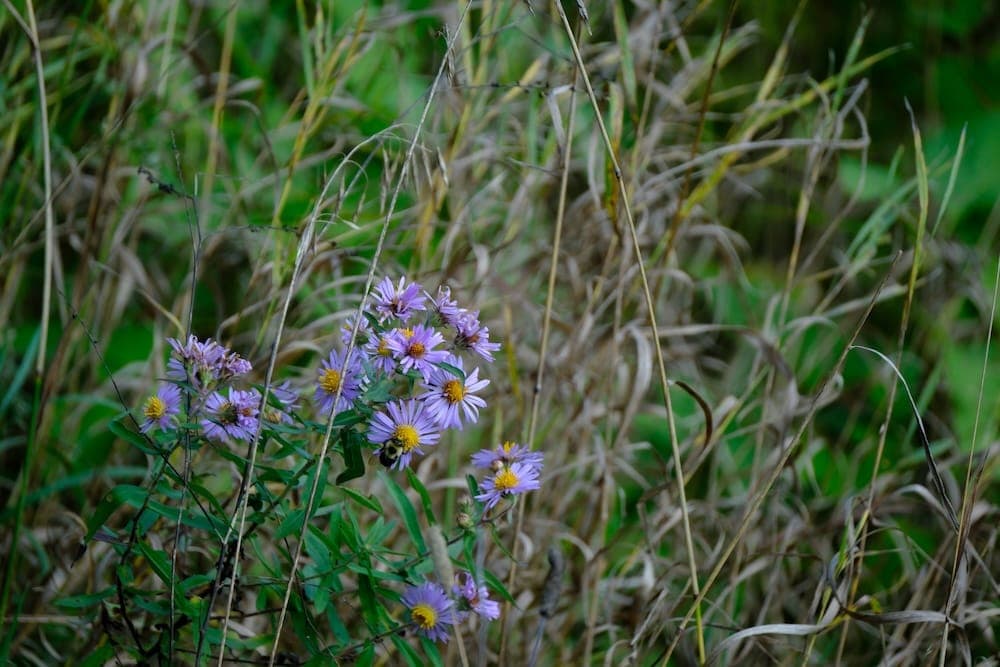
- Planting native flowers for pollinators.
- Leaving patches of long grass in the garden.
- Composting your food waste.
- Collecting and reusing rainwater.
- Repairing furniture.
- Buying second-hand or borrowing where you can.
- Eating seasonally and locally.
- Taking part in citizen science wildlife surveys.
- Picking up litter during walks.
- Supporting local initiatives.
The key is to move away from just reducing harm (for example, replacing a single-use bottle with a reusable one) to something that restores something that’s been depleted (for example, choosing a pollinator-friendly plant over an ornamental one). Of course, proactively reducing harm is still important, but regenerative living is the natural next step.
Hope in action
Something that can often feel in short supply these days is hope. It’s easy to turn on the news and feel, well, hopeless. But consider this: in West Yorkshire, the Incredible Edible Todmorden is a project that saw residents in Todmorden plant fruit, vegetables, and herbs in public spaces – transforming neglected land, increasing biodiversity, and building stronger community ties. R-Urban Poplar in east London took a former underused urban site and created an ecology hub featuring a community allotment and kitchen, repair workshops, and the world’s first community-powered sauna, heated using methane generated from food waste. And then, the Knepp Estate in West Sussex has grown to be Britain’s best-known rewilding project, where former intensive farmland has been transformed – now welcoming the return of species such as turtle doves, nightingales, and purple emperor butterflies.
While there is much still to be done, there is much that we can do. And that’s something to hold on to through challenging times.



Find a professional today
Try our guided search tool, we can connect you with over 20,000 professionals.