How to create a manageable cleaning routine when you have chronic illness
updated on Oct 4, 2026
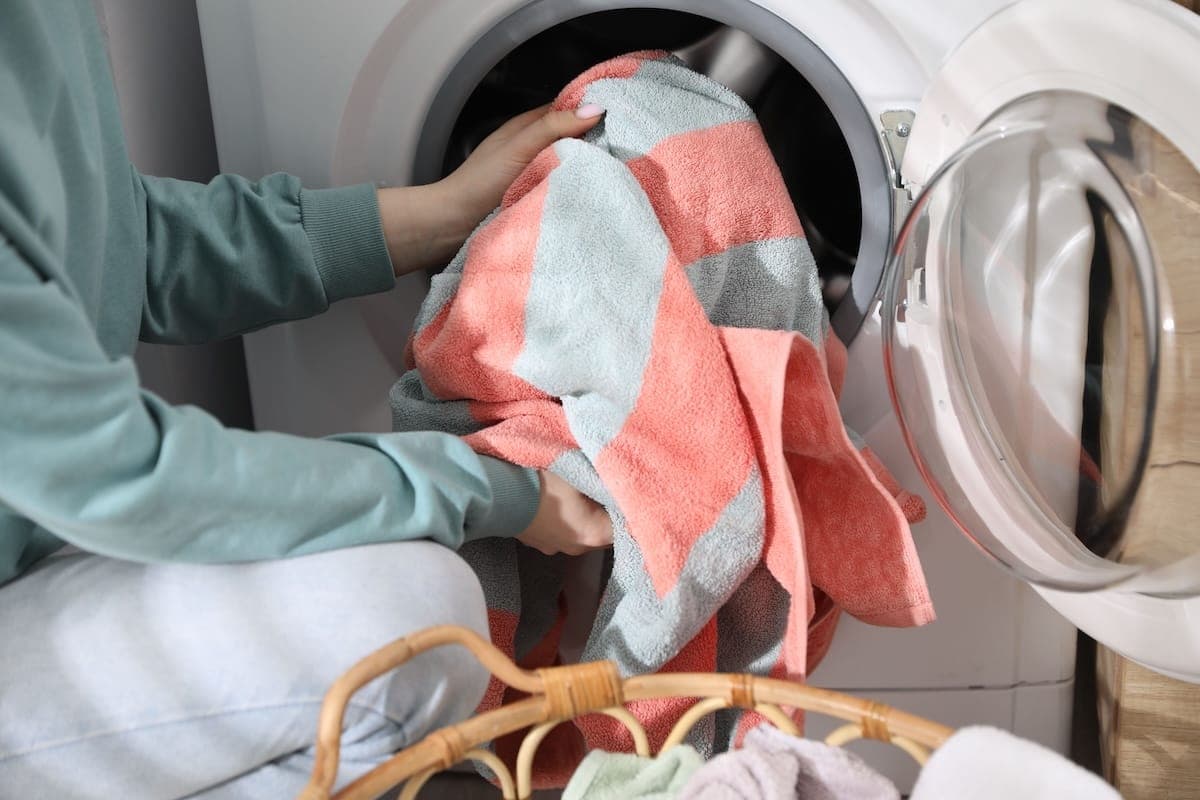
Your home doesn’t have to be spotless to be cared for. Here’s how to create a realistic cleaning routine that honours your energy, your health, and your limits
Cleaning the house is often the last thing we want to do. But having a chronic illness can make it particularly difficult to find the energy to organise or clean.
Having a long-lasting health condition, whether it is a physical or mental illness, can significantly limit your ability to do everyday tasks.
“Maintaining a cleaning routine with chronic illness is a real challenge,” says Life Coach Directory member and therapist Ela Senghera.
“This is because most of your energy goes toward managing pain and basic functioning before you do anything else. And because chronic illness is unpredictable, your routine can collapse without warning. It’s emotionally hard, too.”
So, how can you create a simple cleaning routine to keep on top of things?
One small task a day
When you have limited energy, it’s important to start small. “This means dividing your work into small sections (not the whole room!) so you don’t get overwhelmed,” says Ela.
It can help to decide which tasks are ‘low-energy’ and ‘high-energy’. Low-energy tasks may include wiping the kitchen counters or sitting down and pairing socks, whereas high-energy tasks could be things like hoovering or emptying the dishwasher. What counts as low or high energy will vary depending on your needs, so adjust your approach accordingly.
Work with your individual energy levels
Energy ups and downs are normal. However, living with chronic illness often means navigating the rollercoaster of unpredictable energy levels. One day might feel manageable, and the next, even the simplest task can seem overwhelming.
Instead of trying to stick to a specific time of day, it can be more helpful to tune into your body and notice when your energy tends to rise or dip. For example, you might know that you feel best after coffee, and use that time to take out the bins. Or maybe you know you have a crash after cooking, and can come to terms with the fact that cleaning up will have to wait until morning. Planning tasks around those natural rhythms can make your routine sustainable. And remember, cleaning may not be possible at all on some days.

Stop before you’re drained
On a good day, you might feel tempted to tackle all your laundry, dusting, and windows at once – but pushing past your limits may leave you feeling worse afterwards. Pacing means balancing activity with rest to avoid a ‘boom and bust’ cycle – doing too much on a good day, only to crash and struggle in the days that follow.
Even if you feel like you could keep going, it can be helpful to stop early to preserve energy. Set a timer to remind you to stop before you become exhausted.
Declutter
“It can also be helpful to declutter your home, as the less you have to manage, the less overwhelm and fatigue you may experience,” Ela Senghera explains.
One way to make this easier is to keep a charity bag somewhere accessible, like the kitchen, so you can drop in items when you naturally come across them. You could also ask a friend to help with a clear-out – taking it slowly and building in plenty of tea breaks along the way.
Use tools
Try using tools to minimise bending and lifting, such as robot vacuums or long-handled dusters. Sit on a stool while doing the dishes and keep cleaning bottles and cloths in each room (ensuring they are stored safely) so you don’t have to carry heavy items around.
Prioritise tasks
Focus on activities that promote health and safety first, such as taking out the rubbish, doing the dishes, or cleaning the toilet or shower. If you don’t have the energy or motivation to do non-essential tasks like ironing, let them go.
Your home doesn’t reflect your self-worth
“Mess can trigger shame, isolation, and grief for the person you used to be,” says Ela. “You might stop inviting people over and start believing the state of your home reflects your worth, but it doesn’t. Every day you’re managing a battle.”
Remember that your family and friends love you for being you – not whether you’ve done the dishes. “Pay attention to your inner critic. Ask yourself: Would I say this to a friend? Learning to speak kindly to yourself is key.”
It’s also important to adjust your standards and aim for ‘good enough’ rather than perfection.
Creating a cleaning routine with chronic illness isn’t about maintaining a perfect home – it’s about finding realistic ways to care for your space without exhausting yourself. By working with your energy levels, breaking tasks into manageable steps, and practising self-compassion, it’s easier to keep things ticking.
I’m doing the best I can with the energy I have today, and that is enough.
Rest is part of caring for myself.
My worth is not measured by the state of my home.
I honour my energy by pacing myself with kindness.
I choose care over perfection.



Find a professional today
Try our guided search tool, we can connect you with over 20,000 professionals.