Eating Mediterranean-style may lower stroke risk for women, new study suggests

updated on Feb 12, 2026

New research suggests women who closely follow a Mediterranean diet may have a reduced risk of all major stroke types
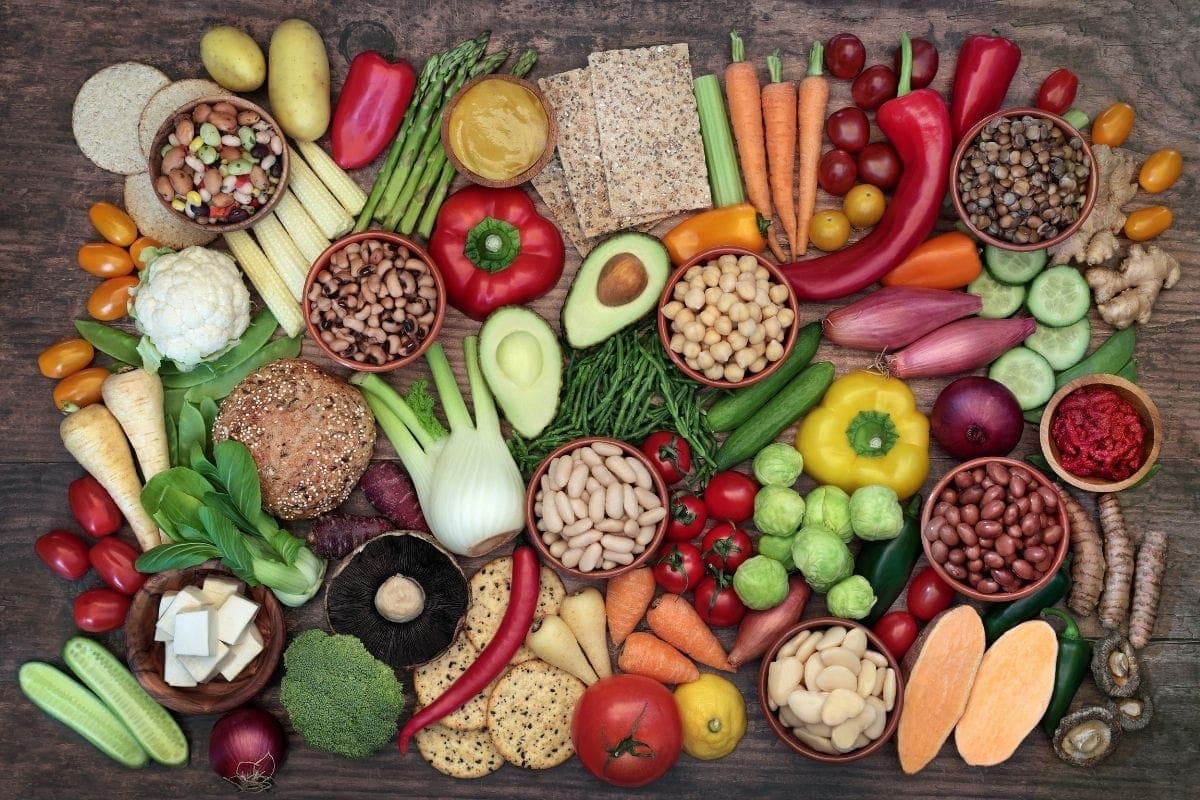
Over the years, studies have shown that following the Mediterranean diet offers numerous benefits. From reducing the risk of heart disease and type 2 diabetes to reducing the risk of certain types of cancer, the Mediterranean diet’s focus on plenty of fruits, vegetables, whole grains, legumes, fish, and olive oil also supports heart health, brain function, gut health, and weight management. It’s also thought to help improve cholesterol, blood pressure, and blood sugar levels, and even to help boost mental health and longevity, thanks to its inflammation-fighting properties. But new research suggests that the Mediterranean diet may have even more benefits than we already think.
According to a new study published in Neurology Open Access, an official journal of the American Academy of Neurology, following a Mediterranean diet is associated with a lower risk of all types of stroke among women. Researchers emphasise that this latest study does not prove the diet is the cause of lower stroke risk; it only shows an association. More research is still needed.
The study showed that the Mediterranean diet was associated with a lower overall risk of stroke, ischemic stroke (when blood flow is blocked to part of the brain), and hemorrhagic stroke (bleeding of the brain).
Study author, Sophia S. Wang, PhD, of the City of Hope Comprehensive Cancer Center in Duarte, California, said, “Our findings support the mounting evidence that a healthy diet is critical to stroke prevention. We were especially interested to see that this finding applies to hemorrhagic stroke, as few large studies have looked at this type of stroke.”
105,614 women with an average age of 53 took part in the study. None had a history of stroke. Participants filled out a questionnaire about their diet, and then were given a score of zero to nine based on how closely they followed the Mediterranean diet. 30% of participants scored six to nine points (the group that most closely followed the diet), while 14% scored zero to two (the group that least followed the diet).
Participants were followed for an average of 21 years, during which time 4,083 strokes occurred, 3,357 ischemic strokes, and 725 hemorrhagic strokes. When adjusted for other factors that could affect an individual's risk of stroke (smoking, high blood pressure, and physical activity), they found that participents in the highest group were 18% less likely to have a stroke than those in the lowest group; 16% less likely to have an ischemic stroke, and 25% less likely to have a hemorrhagic stroke.
Strokes are a leading cause of severe long-term disability, as well as one of the leading causes of death globally. In the UK, someone has a stroke once every five minutes. While they most commonly occur in people over 55, anyone can have a stroke at any age. Thanks to rising awareness of symptoms (face falling, unable to raise and hold both arms, speech slurred), the number of deaths annually due to strokes is going down; however, the lasting impact can be serious.
So, how can we reduce risk and put our health first?
Reducing stroke risk
There are a number of different ways that we can reduce the risk of a stroke. The NHS recommends that we quit smoking, cut down on alcohol, ensure we eat a balanced diet and exercise. Ensuring you continue to take medication for underlying conditions, such as high blood pressure or diabetes, is also recommended. The Stroke Association recommends eating a healthy, well-balanced diet to reduce your risk of having another stroke if you have already experienced one.
Some experts recommend focusing on a diet low in saturated fat, trans fat, and salt, as well as reducing sugary drinks. Eating a healthy, balanced diet helps ensure your body has what it needs to work best. This includes ensuring you have enough fibre-rich foods, a range of proteins, are choosing the right, healthy fats, and aiming for at least five portions of fruit and veg each day.
What is the Mediterranean diet?
The Mediterranean diet emphasises plant-based foods and healthy fats. Inspired by foods and healthy eating habits commonly found around the Mediterranean, it focuses mainly on eating fruit, veggies, and wholegrains. The Mediterranean diet has been shown to be strongly linked to reduced risks of heart disease, type 2 diabetes, and obesity. Rather than being a more strict meal plan, the Mediterranean diet is a way of eating that encourages eating healthy wholefoods, eating less red meat and alcohol, and more plant-based foods, healthy fats and wholegrains.
For those looking to better understand how dietary changes could support their health, speaking with a qualified nutrition professional can offer personalised, evidence-based guidance. Registered Nutritional Therapist Alex Allan explains more about the Mediterranean diet made simple.
Eating a balanced, healthy diet
Learning how to make our diets healthier and more balanced can be tricky. With so much (sometimes conflicting) information out there, it can be hard to know where to start. But food plays a vital part in keeping us healthy. What we eat affects our physical and mental health significantly, from how much energy we have to how well our brain (mood, memory, and learning) functions, from our immunity and body’s ability to lower risks of disease and ill health, to our skin and gut health.
Learning more about portion sizes, food labels, and reference intakes can help you better understand what you are eating and empower you to make healthier food choices. Reference intakes (RIs) can help you to understand how foods contribute towards your recommended daily intake of energy, fat, carbohydrates, sugar, protein, and salt, while food labels can help you to find if a product might have more sugar or saturated fats than we might expect.
Learning more about food, what healthy diets can look like, and how what you eat can help protect your health physically and mentally can help you to make informed choices and put your health first. The more you know about food and how it affects you, the more small changes you can make to help optimise your choices and pick the best options for your individual needs and circumstances.
While more research is needed to fully understand the link between the Mediterranean diet and stroke risk, the evidence continues to highlight the power of small, sustainable food choices. Learning more about nutrition – and getting personalised, professional guidance when needed – can be a valuable step towards protecting both your physical and mental health.



Find a professional today
Try our guided search tool, we can connect you with over 20,000 professionals.