Beyond deep tissue: How to find the massage style that suits you

updated on May 21, 2026
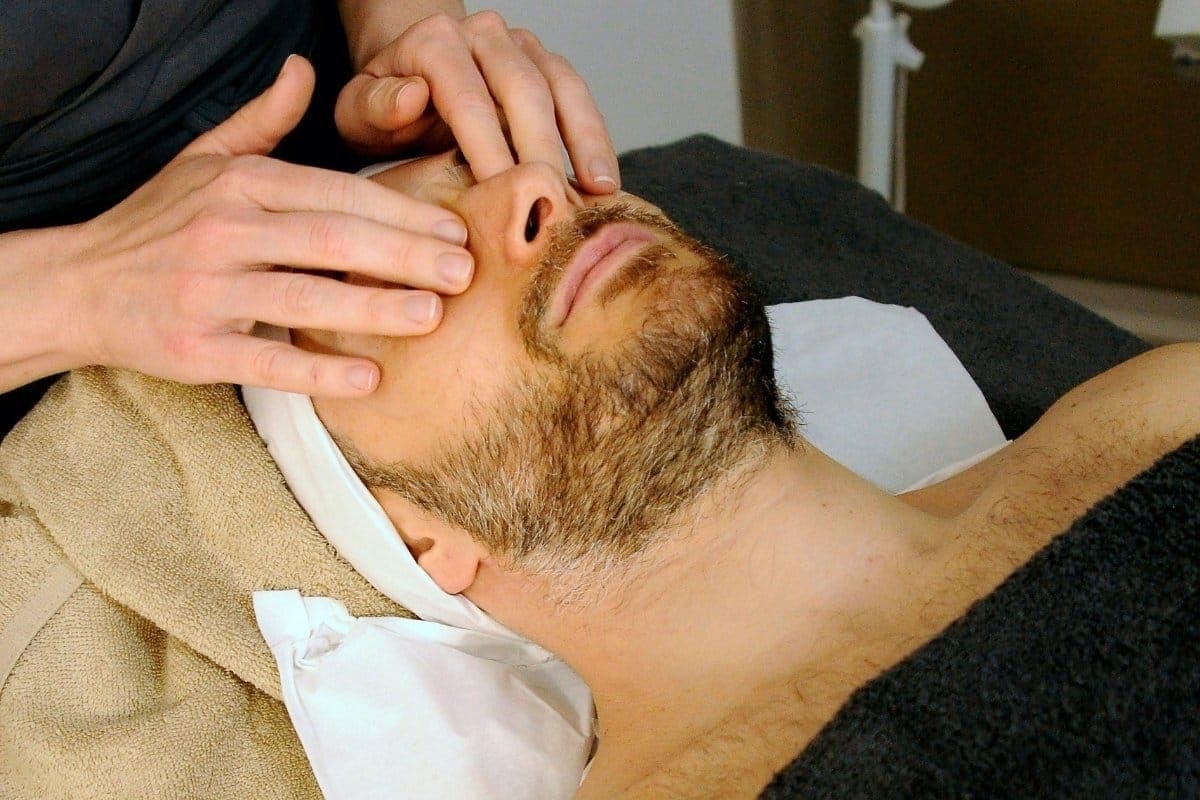
If your idea of massage begins and ends with deep tissue, you might be surprised by just how many different styles are out there. From calming rituals to stretch-heavy treatments, there’s a whole world of massage to explore.
When most of us think about massage, a few things may come to mind: a firm deep tissue massage, a grounding couples treatment, or a sports massage designed to support recovery after exercise. But massage isn’t one-size-fits-all. Different approaches can create very different experiences – from helping you fully switch off for an hour, to leaving you feeling stretched, energised, or emotionally lighter. While some focus on easing tension, others are designed to help you feel calmer, more energised, or simply more connected to yourself.
Whether you’re feeling mentally overloaded, physically tense, or just in need of a moment to slow down, finding a massage style that feels right for you can make a real difference. Here, we explore some of the more popular – and lesser-known – massage therapies, what makes them unique, and how to decide which one may suit you best.
The benefits of massage
Massage is a holistic therapy that aims to help relax, revive, and heal your body using hands-on movement and manipulation. There are many different forms of massage, each offering unique physical and mental health benefits. Depending on the type of massage you have, it may be able to help:
- ease everyday aches and tension
- encourage you to switch off and relax
- support restful sleep
- create a greater sense of calm and wellbeing
- help you feel more grounded and present in your body
- offer space to pause, rest and recharge
Massage doesn't just help us feel mentally grounded; it can have some physical benefits, too. Research suggests that massage may also be able to help reduce pain and muscle tension for some people. While experiences can vary, many people find massage offers an opportunity to slow down, unwind, and reconnect with themselves. It’s important to remember that holistic therapies are best viewed as a complementary form of support, rather than a replacement for medical treatment or professional care.
You might consider trying massage as part of an ongoing self-care routine. Or maybe you are simply looking for the opportunity to switch off for an hour and focus on yourself. Experiences can vary from person to person, and finding the right massage style often comes down to what feels most supportive for you.
Finding the right type of massage for you
With so many different massage styles available, finding the right one can feel a little overwhelming at first. Understanding what makes each approach unique can help you choose a treatment that feels supportive, comfortable, and suited to your needs. If you're not sure how to get started, try asking yourself: what do I want to get from a massage? How do I want to feel? These questions can help you narrow things down.
If you’re new to massage or want something gentle…
Swedish massage
If you're looking for a massage that feels calming, comforting, and deeply relaxing, Swedish massage is often a good place to start. Using long, flowing strokes and gentle kneading techniques, massage therapists can tailor the amount of pressure used to suit your comfort levels. This can make it a particularly good option if you’ve never had a massage before and are looking for lighter or moderate pressure.
Compared to other massage styles, Swedish massage can feel more structured and straightforward, without the stretching used in Thai massage or flowing movements associated with Lomi Lomi massage.
If you’re feeling mentally overloaded or stressed…
Indian head massage
Originating from India, this type of head massage focuses on the pressure points across your neck, head and shoulders. Also known as Champissage, Indian head massage aims to balance body and mind using deep strokes, neck stretching, and circular movements along acupressure points.
Some people seek out Indian head massage when they are feeling mentally overloaded, emotionally drained, or spend long periods of time working at a desk or looking at screens. Unlike a full-body massage, an Indian head massage can be shorter and more targeted. How you feel afterwards can vary greatly from person to person. Some people report leaving feeling deeply relaxed, while others feel more refreshed and focused.
If you want deep relaxation…
Lomi Lomi
A traditional Hawaiian massage known for its long, flowing movements, Lomi Lomi massage (also known as Lomilomi) is designed to support relaxation and overall wellbeing. Rather than focusing on a specific area of tension, Lomi Lomi massage is used across the whole body, helping you unwind with the help of soothing, rhythmic movements. Some people describe it as feeling almost wave-like, helping them slow down both physically and mentally.
People typically choose Lomi Lomi massage when they want to slow down and reconnect with themselves. Often less structured than other massage styles, some Lomi Lomi massage therapists use elements of mindful breathing, music, or quiet, reflective moments in their sessions to help create a deeply relaxing sensory experience.
Aromatherapy massage
Aromatherapy massage combines massage techniques with essential oils to enhance your massage and suit different moods and experiences. Different essential oils can be chosen to achieve different effects, such as encouraging relaxation or creating a more uplifting atmosphere.
Typically gentle and calming, aromatherapy massages are a popular choice for people hoping to relax physically and mentally. Compared with firmer massage styles, aromatherapy massage often feels slower-paced and less intense, making it a popular choice for those feeling emotionally overwhelmed, stressed, or looking to switch off.
If you do have any allergies, asthma, skin sensitivities, or are pregnant, it’s particularly important to let your therapist know before. Some essential oils may not be suitable. Your massage therapist can tailor the oils used to suit you and your unique needs.
If you hold tension or feel restricted…
Myofascial release
A specialised type of therapeutic massage, instead of using oils and long, gliding strokes on muscles, myofascial release uses slow, sustained, dry pressure to focus on the connective tissue surrounding your muscles and ease areas of tightness and restriction.
People typically try myofascial release if they feel stiff, tight, or restricted in their movement, particularly if tension is difficult to ease or persists. Unlike other forms of traditional massage, therapists may hold pressure in one place for longer periods of time. For some, the experience can feel like releasing tension they didn’t even realise they were carrying. Others find they feel lighter, looser, or more aware of their body and how it holds tension.
If you want something more energising…
Thai massage
Combining pressure techniques and assisted movement, Thai massage offers a more active style of massage. Often done on a floor mat rather than a massage table, typically, you remain fully clothed as a therapist guides your body through a series of stretches and positions.
Unlike gentler styles of massage that focus on relaxation, Thai massage can feel more energetic and dynamic, especially if you spend long periods sitting still or feeling physically sluggish.
Involved a lot of stretching and movement, Thai massage can feel more physically intense than other massage styles. If you have any injuries or mobility issues, let your therapist know beforehand so your session can be adapted to your comfort level.
Relaxation your way
When it comes to massage, there’s no single ‘best’ version out there that suits everyone. Finding what's right for you, for how you're feeling, and for how you want to feel afterwards is what matters – whether that’s deep relaxation, relief from physical tension, or simply an hour to yourself. Exploring different holistic therapies can help you better understand what can help you feel this way.
Which massage therapy style sounded right for you? If you’re curious about learning more about different types of massage and what they can help with, find out more about the different approaches available to support your wellbeing on Therapy Directory.



Find a professional today
Try our guided search tool, we can connect you with over 20,000 professionals.