We take a closer look at the climate fiction boom, and highlight cli-fi for every type of reader – whether you're into speculative fiction or looking for stories of hope
We read for a plethora of reasons: to learn, to be entertained, to escape, to feel inspired, to be seen – and, sometimes, to be warned. Fiction offers us a limitless portal into other worlds, and some that are strikingly similar to ours – or what it could, or will, become. This, at its heart, is the intent of cli-fi.
Cli-fi (climate fiction) is a genre of literature, film, or media that focuses on the topic of climate change. It was coined by journalist Dan Bloom in 2007, but fiction depicting the effects of climate change (and, predating the term, fiction that explores environmental threat) has long been questioning its impact on people, relationships, and the core of society. It’s often speculative, but grounded in real threats and scenarios, meaning that, for many, cli-fi is both a warning and a call to action.
Discussion around climate change has, naturally, intensified in recent years, but the foundation of this trending genre goes back into our literary history. In the 1960s, J G Ballard explored climate-related natural disasters in his many dystopian works, including The Drowned World. In the same decade, Frank Herbert’s 1965 science fiction novel Dune (now a major film series), which is set on a fictional desert planet, is often heralded as one of the pioneering books in the genre. But the real boom happened more recently. In 2020, cultural critic Jo Livingstone wrote in The New Republic: “The last decade has seen such a steep rise in sophisticated ‘cli-fi’ that some literary publications now devote whole verticals to it.”
For writers, cli-fi is a way to explore the potential future scenarios, as well as to highlight the effect it’s currently having and the people whose lives are impacted right now, because, of course, climate change isn’t just on the horizon, it’s already here. These books are also a way to rally support to take a stand. To encourage readers to imagine scenarios that humanity could be facing, and to put the question into their hands as to what course of action they want to take to challenge that.
Cli-fi and climate anxiety
By its very nature, this genre can be distressing – as a word of warning. The outlook is often bleak, and books will also regularly explore variations of reality that are most dramatic and extreme. There’s a reason why thrillers constantly top the bestseller lists: drama sells, and readers want to be made to feel something. For the right person, cli-fi can be both entertaining and informative, but, for others, it might do more harm than good.
For those experiencing acute worry about climate change and the future of the planet (i.e. climate anxiety), reading dramatic interpretations of its impact may intensify your fears – but the genre could offer a tool for good and inspire hope, too. Often, the way to tackle climate anxiety isn’t to bury your head in the sand, but to look for positive examples of climate action happening across the world, and to focus on the things within your control. There are cli-fi books that are more along these lines – climate-fiction.org (a great resource for new-starters in this genre, as well as writers looking to explore it in their work) lists uplifting cli-fi, including: Green Rising by Wren James, A Psalm for the Wild-Built by Becky Chambers, and The Change Agents: Whispers in the Wind by Sarah E Lewis.
Choosing to read cli-fi with a more hopeful approach if you struggle with climate anxiety, or simply need a break from heavier stories, is a perfectly reasonable choice – and one that is easily facilitated in a time where there are now so many high-quality cli-fi reads to choose from.
The next page
As our interest in this genre continues to grow, so too can conversations about one of the greatest issues facing humanity. Books have the power to unite us in a way that little else can. Every time you read, reflect, and share with others, you’re building on the connections and conversations we need to make a real difference to the future of our planet. So, if you’re looking for your next read and are craving something with impact, it might be time to explore cli-fi. A world of questions, and a reminder of the value of the natural world, awaits you.
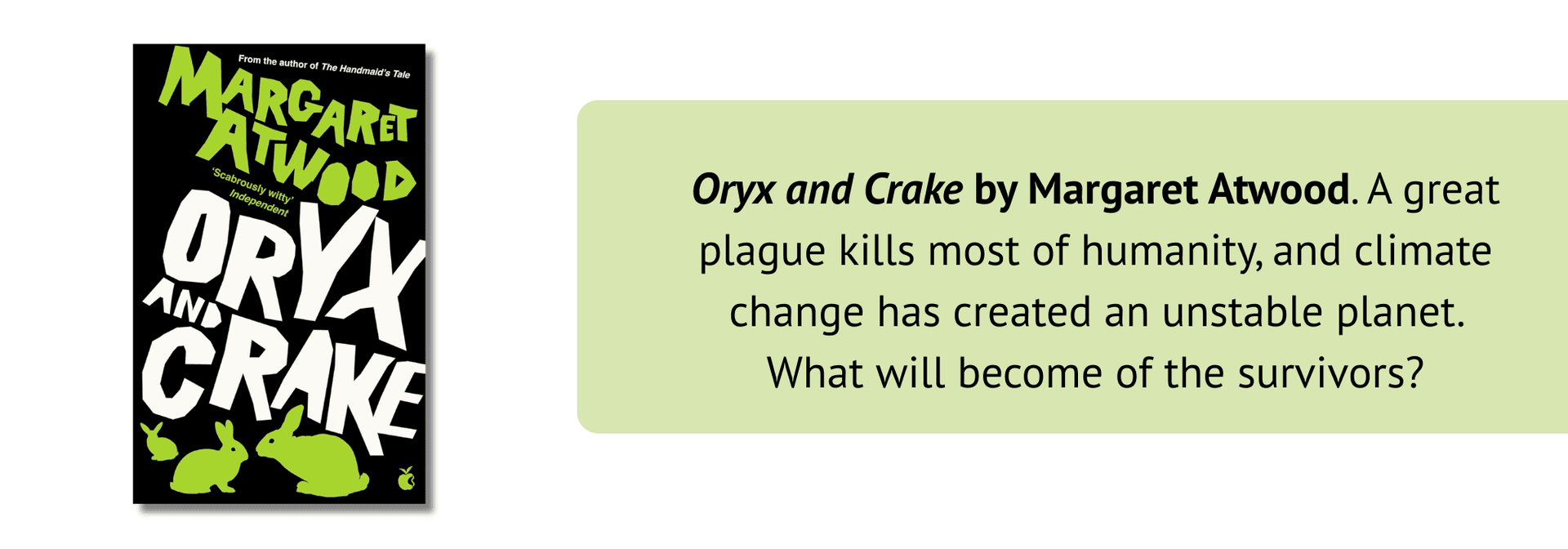
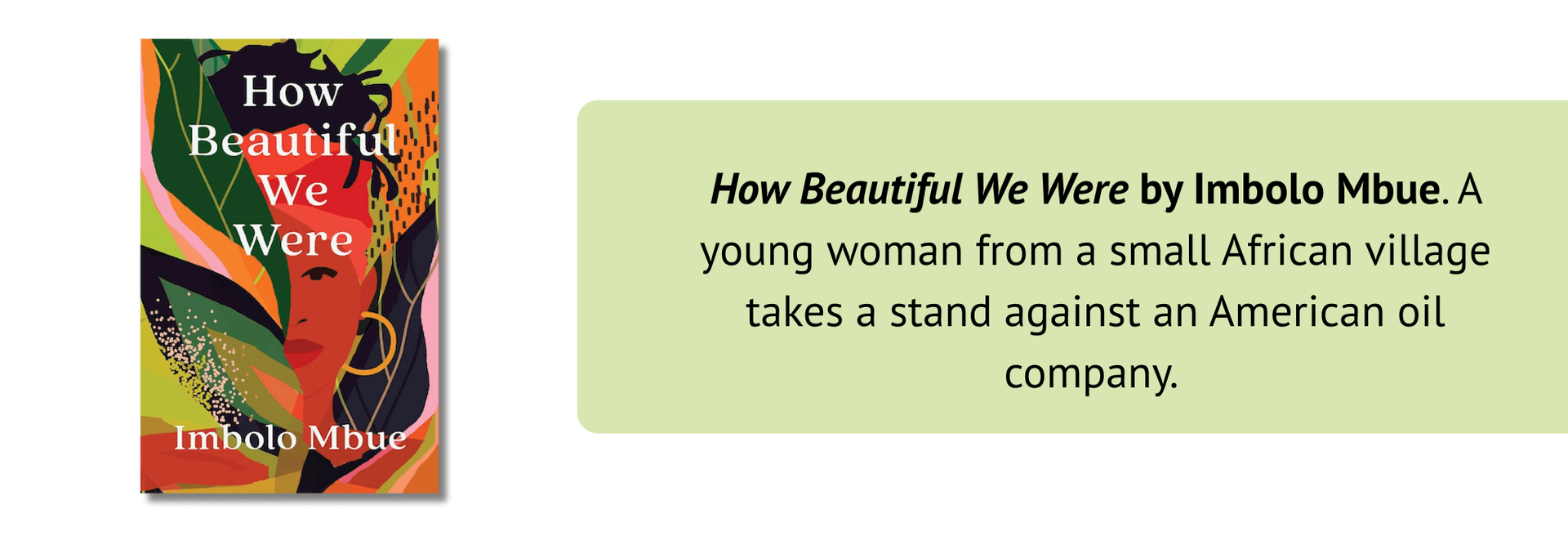
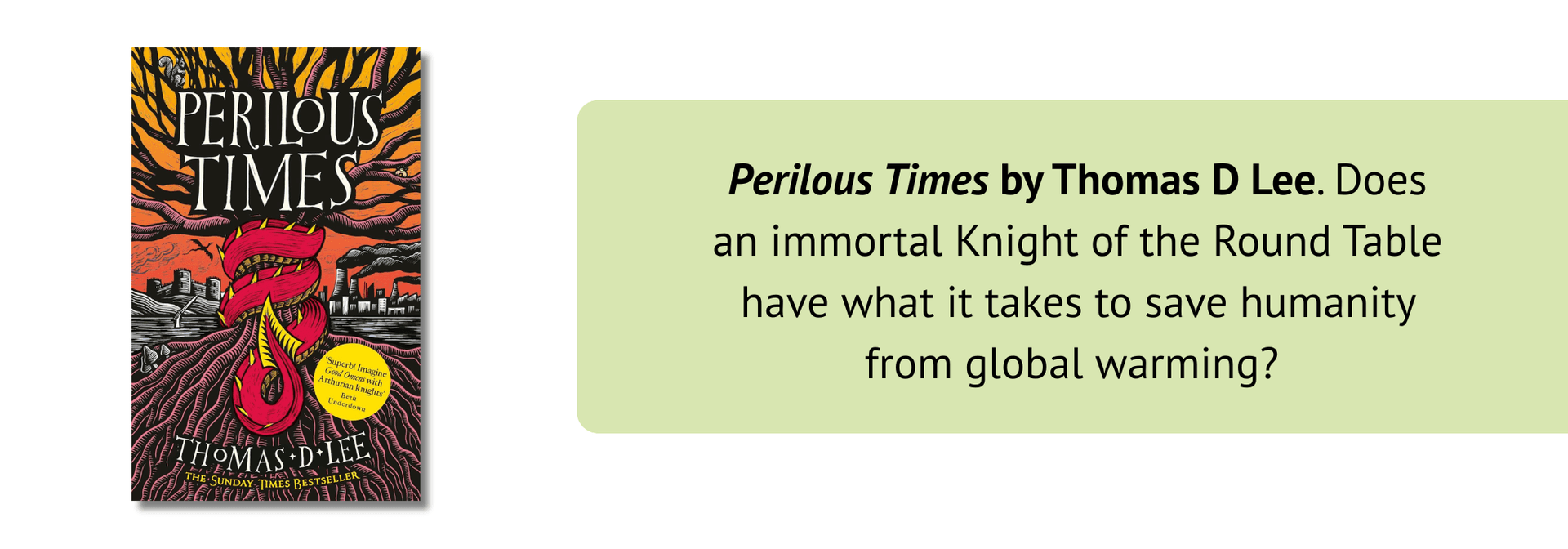
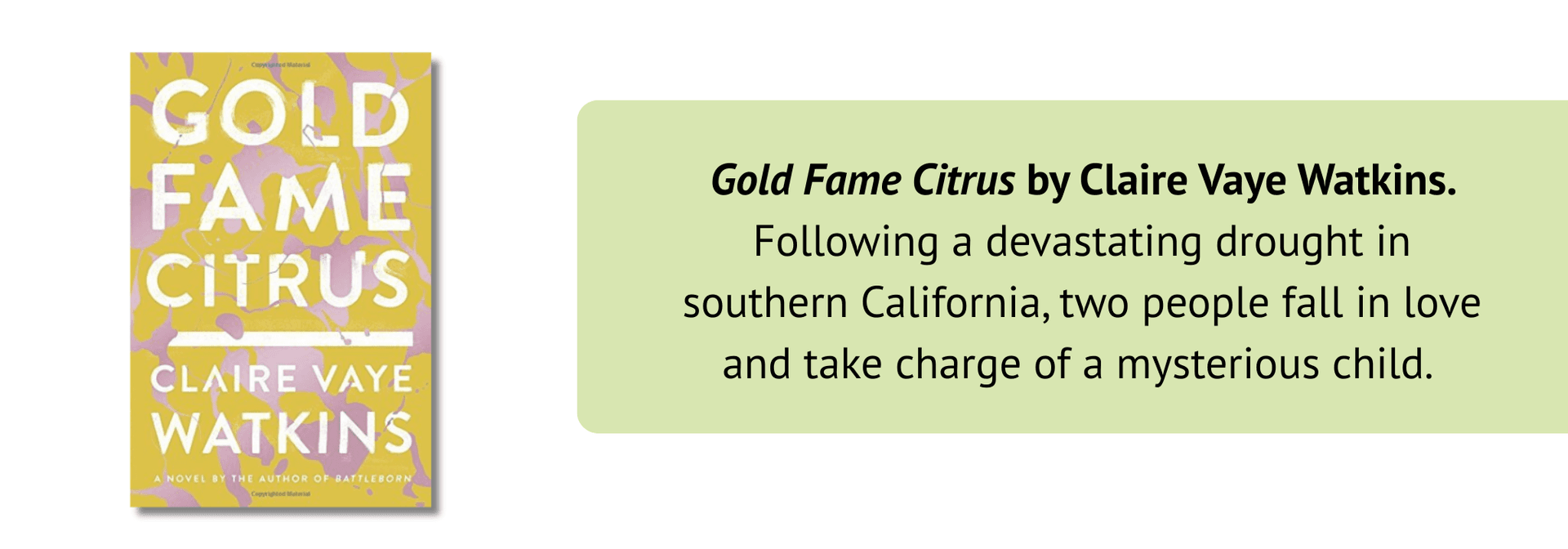
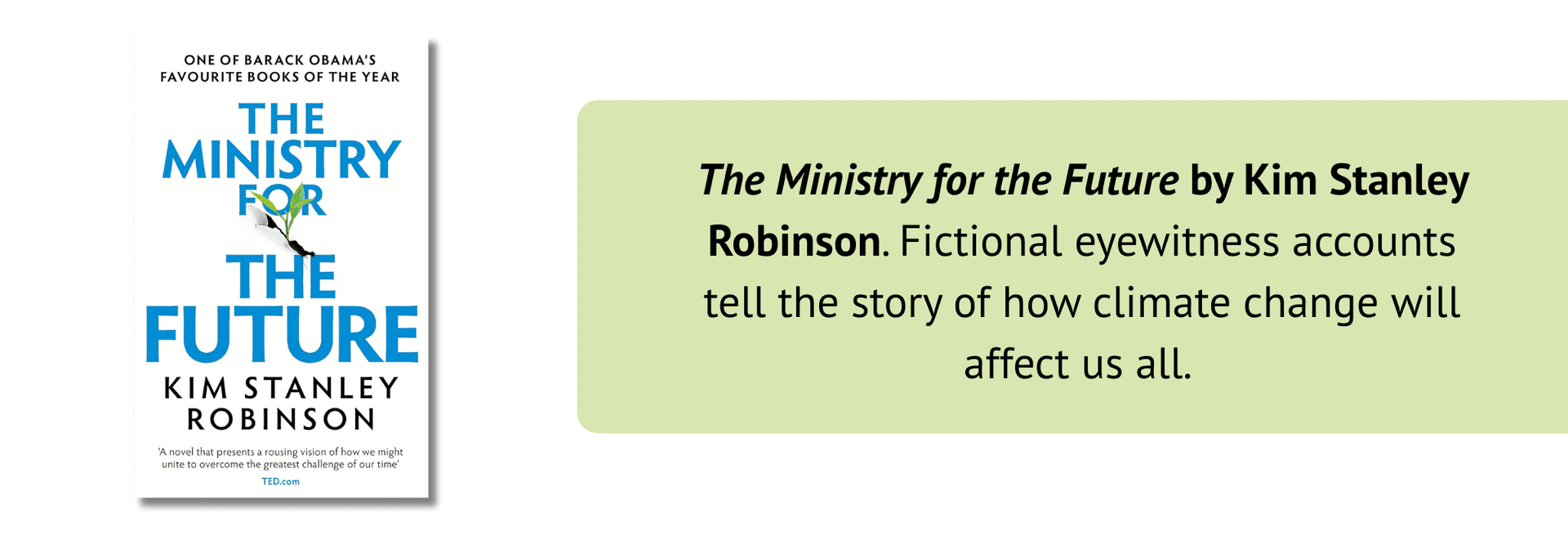
Your cli-fi reading list



Find a professional today
Try our guided search tool, we can connect you with over 20,000 professionals.