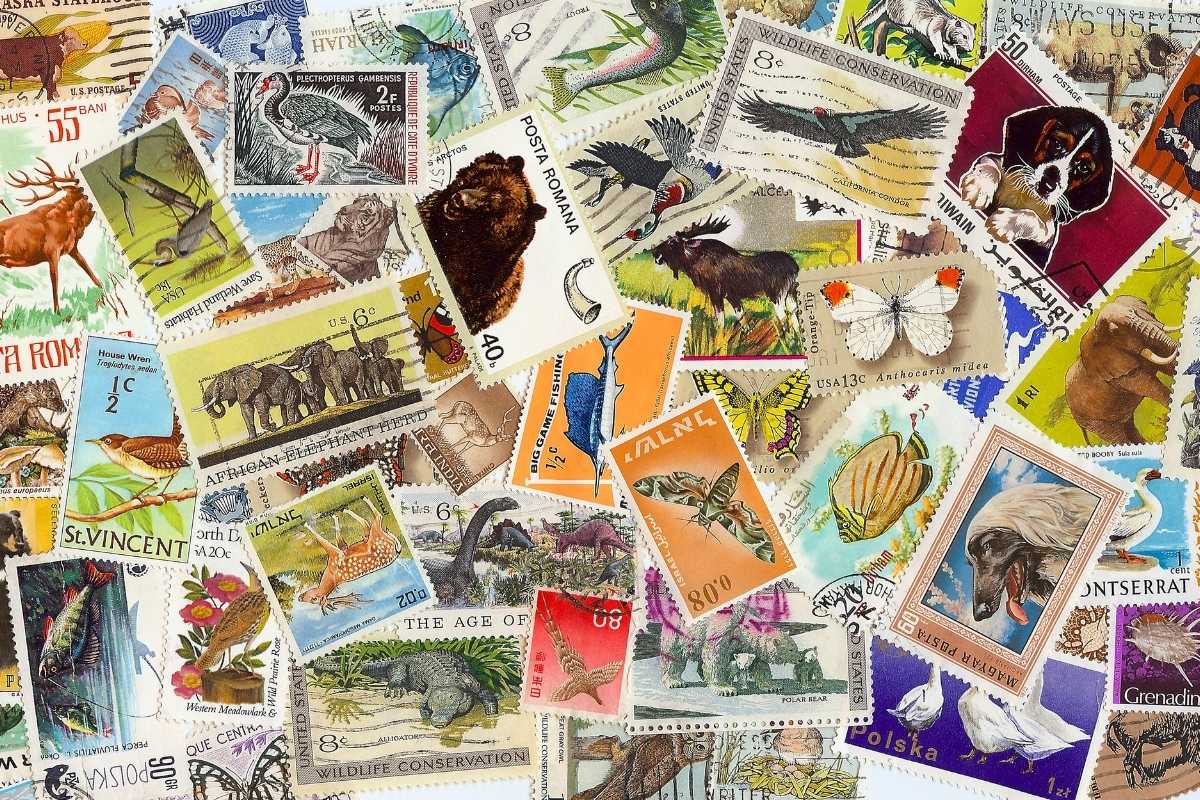
From postage stamps to Pokémon, we’re exploring the psychology behind why we curate collections of our favourite objects
If you’d told me that, in the midst of the 2020 lockdown, I’d be sorting through a garage full of Beanie Babies with my sister, I’m not sure I would have believed you. But there we were – convinced this was how we were going to make our millions. My husband fully enabled this fantasy by discovering an American Beanie Baby appraiser; squeals of delight followed as we realised we had not one, but two Princess Diana Bears – produced in honour of the late member of the royal family.
Of course, a quick dive into the selling process revealed the truth: everyone was trying to shift their 90s toys on eBay, and the elusive Princess Diana Bear wasn’t quite as rare as we’d initially hoped.
But the Beanie Baby bubble isn’t unique to us; it’s a heady mix of nostalgia, innocence, and exclusivity. I was a little too young for the Cabbage Patch Doll hype of the 1980s, but growing up in the 90s, I was swept up in the popularity of Pogs, Pokémon cards, and Sylvanian Families.
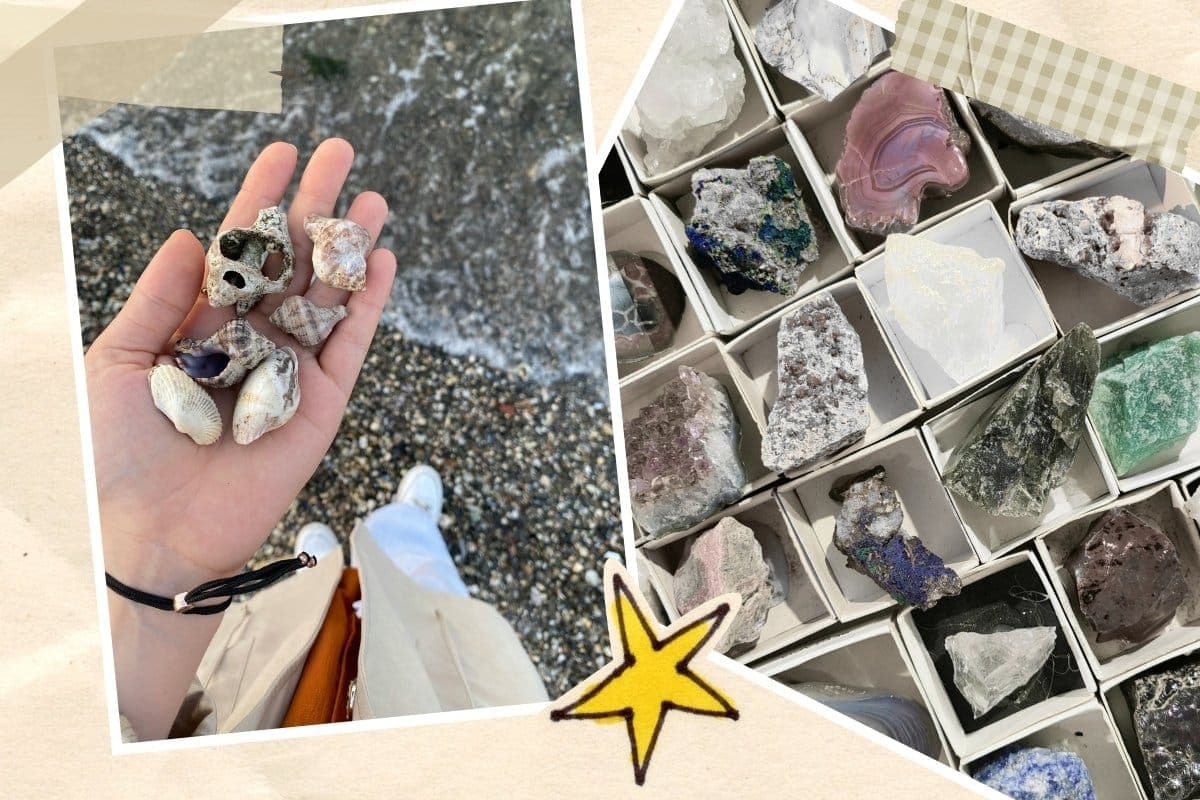
Although, it’s worth emphasising that devoting time and energy to collecting something is not just a childhood pastime. From vintage vinyl to fashion trends like Labubu dolls, the urge to collect is a deeply human instinct. I see it in my toddler, carefully curating a growing collection of sticks, rocks, and acorns. But why do we do it, and when does it verge on unhealthy?
Why do we collect?
I’ve got an impressive assortment of crystals – so many, in fact, that I recently bought them a shelf to sit proudly on. According to master neuro-linguistic programming (NLP) coach Alison Blackler, collecting in this way satisfies a deep desire for mastery and achievement. “When a person chooses a specific subject, they embark on a lifelong pursuit of specialised knowledge,” Alison explains. “The thrill of the hunt – finding that rare, missing piece – provides a continuous feeling of competence and accomplishment, rewarding the brain with a powerful sense of success.”
For Alison, this pursuit can be driven by a psychological need for completion and order. “In a world that often feels chaotic, a collection can become a personal microcosm of control,” she says. “The collector is the supreme authority in this small domain – deciding what to acquire, how to categorise it, and how to display it. It fulfils a fundamental human need to exercise agency in our environment.”
Is collecting the new nostalgia?
Collecting is intrinsically linked to our sense of self. “The items we choose become a tangible, curated self-portrait, reflecting the collector’s interests, values, and personality,” explains Alison.
I often think my bedside table drawer is the adult version of my toddler’s pockets – brimming with sage sticks, incense, oracle cards, and journals. Having spent years working in the holistic health world, it feels like an entirely fitting selection; a little collection that mirrors some of who I am, and what I value.
Alison adds that nostalgia can amplify this connection. Objects from childhood, or from a meaningful past era, might be able to act as physical anchors to cherished memories. “By curating these items, the collector creates a sense of continuity between their past and present self,” she says. “It provides comfort and stability – a way of holding on to identity through tangible things.”
Does collecting create a sense of community?
Aside from unintentionally collecting crystals, I’m also trying to curb my tsundoku habit – the Japanese term for collecting books – by actually reading the ones I buy. But book collecting also comes with a gorgeous sense of community: I feel good supporting my local bookshop; I feel hopeful that this will be the book I finally finish; and I love being a small part of the wider world of readers.
Recently, I started attending a silent book club, where you bring your own book, sit alongside fellow readers with a glass of something nice, and read. I love the sense of belonging – everyone gathered together, quietly doing the same thing.
According to Alison, book collections like these have the benefit of immediately connecting individuals to a subculture of like-minded enthusiasts. “Clubs, forums, and conventions become social rituals where this shared passion is celebrated,” she explains. “The collection acts as a badge – instantly signalling shared values, and providing a strong sense of belonging that combats isolation.”
Healthy hobby or compulsive hoarding?
According to Alison, the difference between collecting and hoarding isn’t about the value of the items, but about intention, organisation, and the impact on your daily life. “A healthy collection is intentional, focused on a specific theme, and it’s organised, cleaned, and proudly displayed, leaving the rest of the living space completely functional,” she shares.
In contrast, Alison says, compulsive hoarding is marked by impulsive, non-specific accumulation, where a person feels deep distress at the thought of discarding anything. “Crucially, disorganised clutter overtakes essential living spaces – like beds or kitchens – compromising their intended use,” she says. “Collecting brings joy and purpose, whereas hoarding is an internal struggle that causes significant distress and impairment.”
How can collecting support our wellbeing?
According to Alison, the act of collecting can significantly support our wellbeing by becoming a structured mental ‘time-out’. Focused activities, such as organising and cataloguing, can induce a state of flow – that feeling of being fully absorbed in the moment – which can help to relieve stress.
“This hobby provides continuous cognitive stimulation,” Alison explains. “It exercises memory, strategic thinking, and executive function through an ongoing research loop. And the sustained, self-directed goal of completing a collection gives individuals a vital, lifelong sense of purpose.”
Where things become hazy, Alison notes, is when sudden market trends – like Labubu dolls or Beanie Babies – exploit these psychological needs through scarcity and social pressure.
“Companies often use controlled supply to trigger the scarcity principle (the allure of unavailability), making an item feel exclusive,” she explains. “This chase is then amplified by the bandwagon effect on social media, where people join in for fear of missing out on the popular trend.”
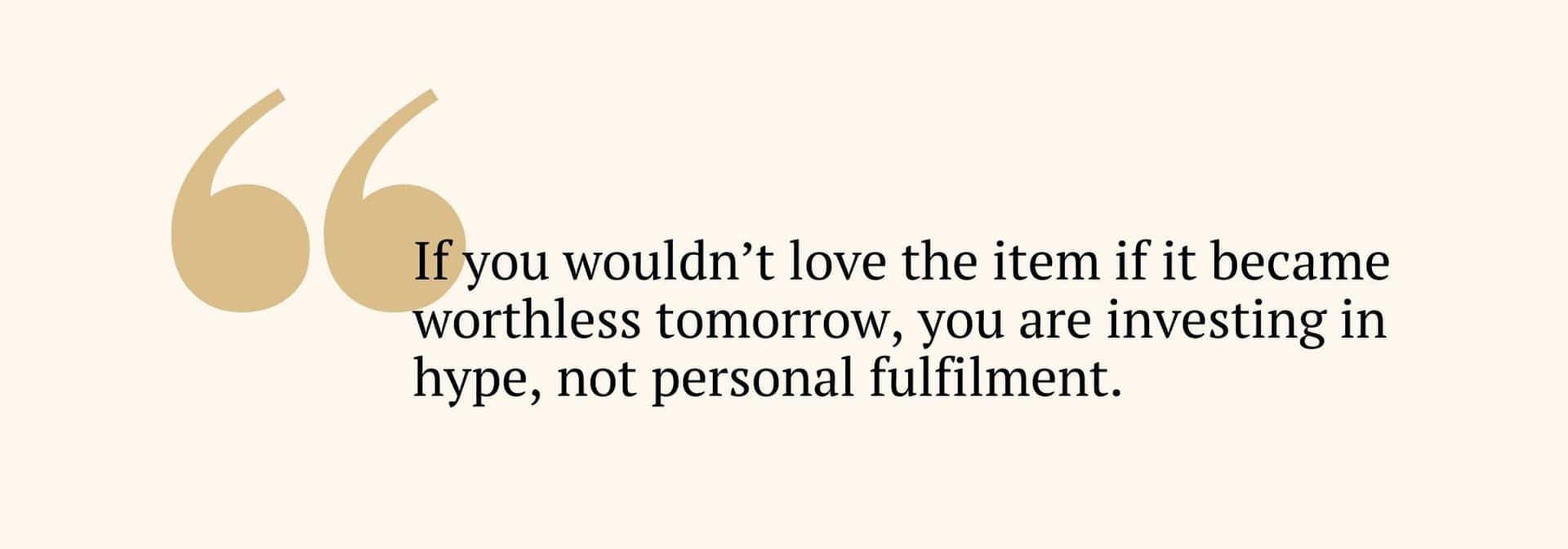
Alison’s advice to anyone swept up in a collecting bubble is simple: collect the memory, not the market. “If you wouldn’t love the item if it became worthless tomorrow, you are investing in hype, not personal fulfilment.”
Perhaps the true value of a collection lies in the story it tells about you. I’m not sure what mine says – apart from my love of pretty rocks and beautiful book covers – but I like the joy it brings to my home, and sense of community it allows me to be part of.



Find a professional today
Try our guided search tool, we can connect you with over 20,000 professionals.