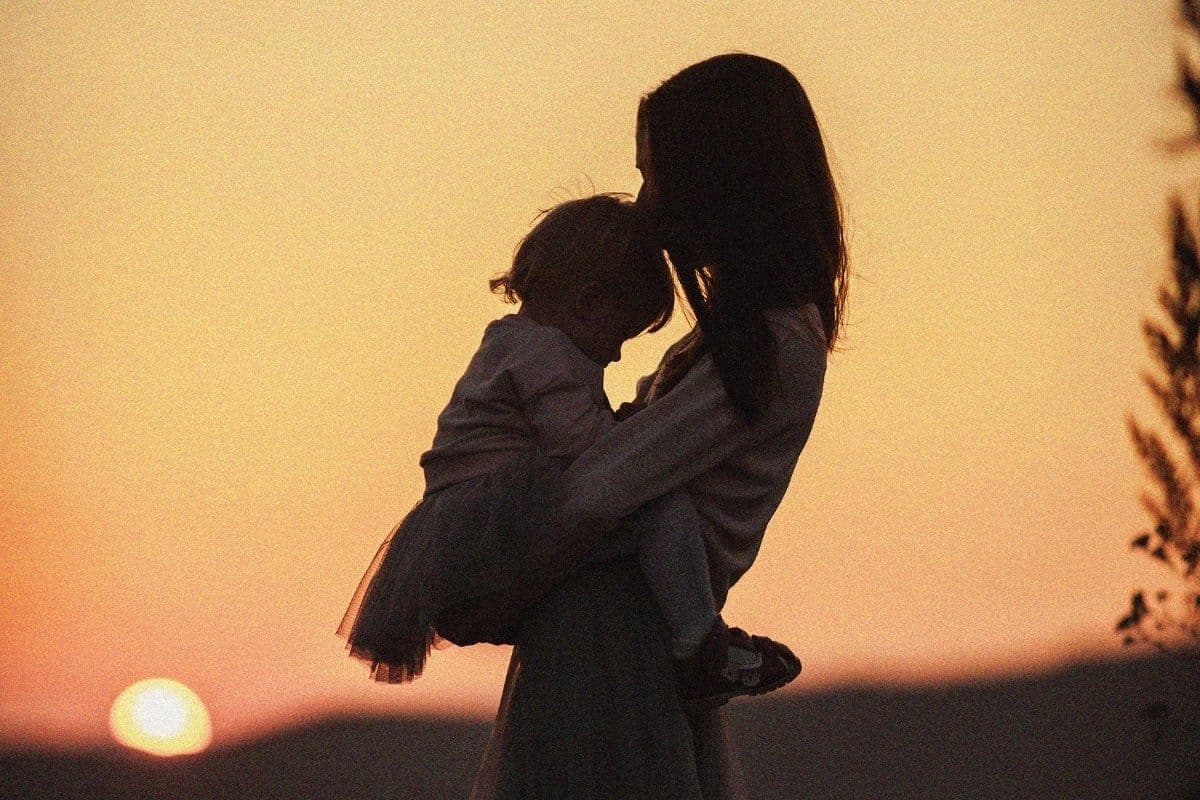
Whether it’s through death, distance, or estrangement, entering a new stage of life as a parent without the support of your own mother can leave you feeling untethered, and bring unexpected waves of grief. With one in three new mothers being motherless, we look at how to navigate this loss – and how grief can give rise to resilience, community, and pockets of joy
Growing up, I never felt a blazing urge to become a mother, but I always assumed my own mother would be there. We did so much together: holidays with my parents, even well into adulthood; dinners out; theatres and spa days. My husband and I would joke that my parents were our only real couple friends, and secretly, I loved that.
So, when life delivered its sharpest curveball, and I became motherless at 35, something unexpected happened: the idea of becoming a mother myself grew stronger than ever. But nothing prepared me for what it means to step into the world of the motherless mother – the fresh, disorienting waves of grief, the surprising pockets of joy, the fierce dependence on community, and the slow, tender work of building a new kind of maternal support from scratch.
It was something I thought I was mostly alone in until a 2025 report from the women’s community app Peanut came out. In a first-of-its-kind study of almost 2,500 women on the experience of being a ‘motherless mother’, the findings were striking: one in three new mothers in the UK are ‘motherless’, and they are 3.4 times more likely to experience postnatal depression. Additionally, the research noted how 71% reported experiencing anxiety, and a staggering 80% felt isolated or unsupported due to maternal absence.
In practical terms, this looks like no one at the end of the phone to offer guidance, no free childcare, and no emotional anchor when you’re spiralling. And for many women, lacking maternal support can take so many different shapes – some are separated by distance, some are estranged from their mums, and others have more complicated relationships. Yet nearly three-quarters say no clinician has ever asked whether they have maternal support. I know I certainly wasn’t.
In the first three months of my son’s life, my husband would often find me sitting on the floor in floods of tears, overwhelmed by grief, and longing for the one person I wanted to guide me through it. I stayed quiet as the new parents I met talked about the instant love they felt for their babies, and asked if I was “loving every minute”. Meanwhile, this new study calls for “grief-aware care” to be integrated into NHS perinatal pathways – a conversation that now feels urgently needed.
Almost four years into my motherhood journey, I can finally reflect on what a new kind of maternal support can look like when your own mum is no longer physically here. It’s not one thing that you can wrap up neatly with a bow, but a combination of people, practices, and boundaries that slowly begin to shape the space your mother once held.
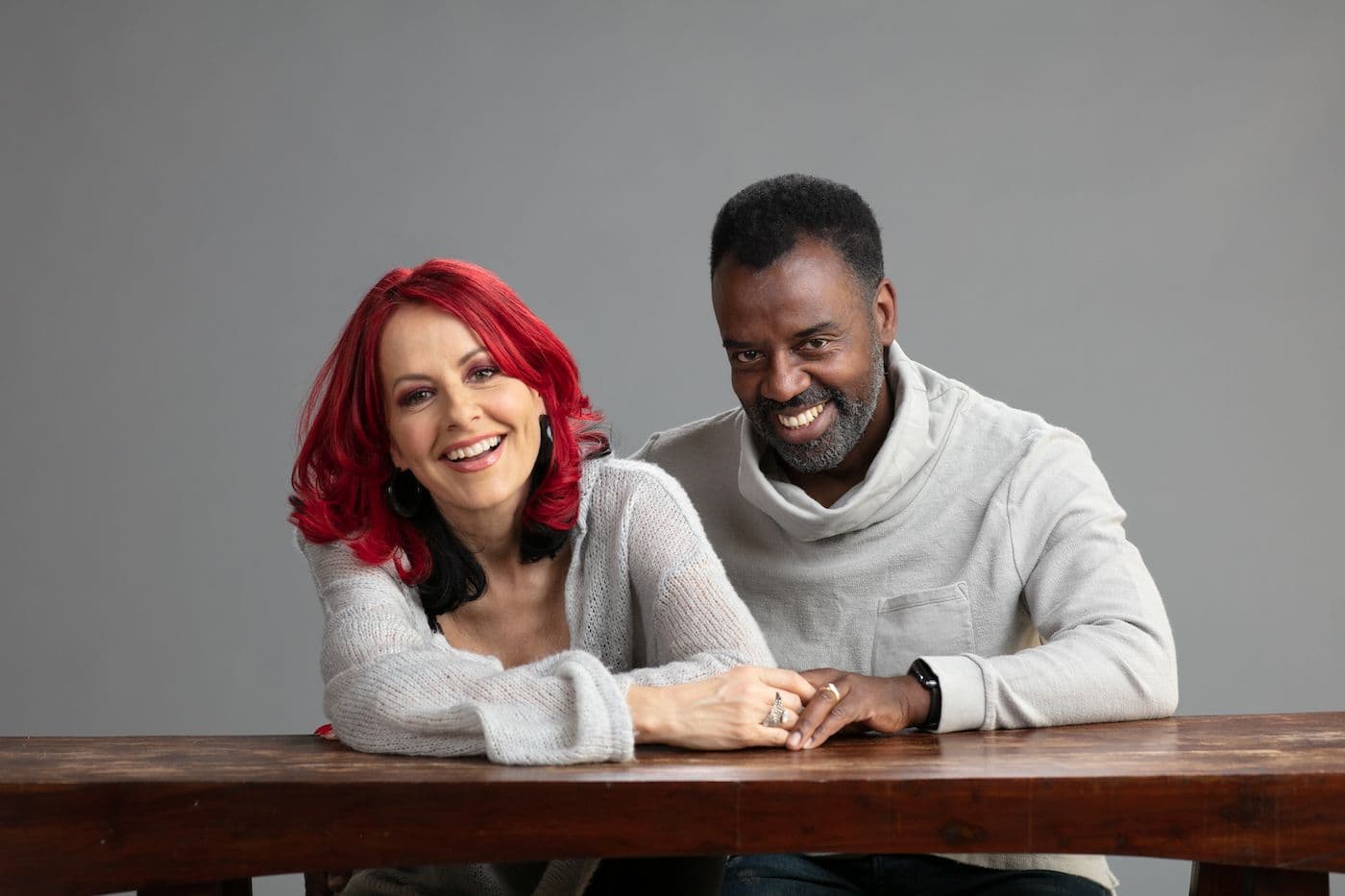
To understand how other motherless mothers piece together this kind of support, I asked Louise Kirby-Jones, co-founder of the online platform The Motherless Mothers, to share what has helped her the most.
Find your people
They say it takes a village to raise a child, but, according to the Peanut report, 96% of respondents agreed that a mother is a vital part of that village. So what do you do when you don’t have yours around? For Louise, it’s finding women who just get you, and understand what this parallel version of motherhood feels like. “Community is everything, and knowing you have like-minded women at the end of a WhatsApp message, on the phone, or to meet in person, changes everything,” she says.
Research from 2022, in BMC Pregnancy and Childbirth, shows that peer support can reduce perinatal mental health difficulties, and it’s something I’ve found to be true. I moved to a new town, as well as becoming a new mum, so I knew I had to build a village to survive this new stage of my life. I joined a local NCT group, made one of my closest friends through the Peanut app, and met two other women on a local mum-and-baby beach walk. These women help me in the ways my mum might have – offering advice, a listening ear, and a cuppa when we all feel overwhelmed. It can feel hard to put yourself out there as a new mum, but it’s crucial that you do. The people you meet during this period might just become your chosen family.
If you’re looking to start building your own village, organisations like The Motherless Mothers or the Peanut app can be great places to connect with like-minded women.
Handle triggering situations
Grief isn’t linear, and according to the Peanut report, 85% of respondents said that motherhood reopened their grief. For me, I sometimes found bathing my son triggering, as it reminded me of caring for my mum in the same way. Even watching grandmothers at nursery drop-off could hit me like a gut punch on certain days.
Louise recommends communicating your feelings, and not suffering in silence. “You don’t have to fix it or make anyone feel better – it’s about protecting yourself from moments that have the potential to catch you off guard,” she says.
On days I found it particularly hard, keeping a gratitude journal helped me notice the good in everyday life. The prompts were simple enough for my overstimulated postpartum brain: noting what had gone well that day; what made me smile; and what I was looking forward to tomorrow. I quickly realised that the one thing that made me smile every day was my son, and that helped deepen our bond when I felt tangled in grief.

Be firm with boundaries
Motherlessness can make you more fragile, but it can also cut out the noise, and reveal what truly matters. Over time, I learned to recognise the people and situations that supported me – and those that didn’t.
Setting boundaries became a vital part of this process, and I learned it was OK to skip a meet-up when I felt emotionally heavy, decline an invitation that triggered grief, or limit conversations that left me drained. Louise emphasises that boundaries aren’t selfish – they’re a form of self-care: “Being clear about what works for you protects your energy, and helps you focus on the support that actually nurtures you.”
Mothering in practice
At first, after losing my mum, I felt unmoored – grief made me unsure, and deeply lonely. Motherhood intensified that longing, highlighting the absence of the maternal guidance I had taken for granted. Slowly, I began to piece together the support I needed: reaching out to other mothers; forming friendships that became a chosen family; and creating small rituals to honour my mum’s memory. These steps, building a village, setting boundaries, and learning what works for me, became the foundation for learning to mother myself.
The joy comes from seeing my son thrive within this chosen family. Watching these women care for him as they would their own, and sharing special moments with him, brings comfort and connection. My son knows who my mum is, and we talk about her often. She joked that she wanted to come back as a dragonfly, and he and I often delight in spotting them in unexpected places.
The greatest lesson I’ve learned is this: to mother myself. To nourish and care for myself in the ways my mum would have, had she been here with us.



Find a professional today
Try our guided search tool, we can connect you with over 20,000 professionals.