Lesbian author and DIVA editor Roxy Bourdillon on belonging
updated on Sep 16, 2026
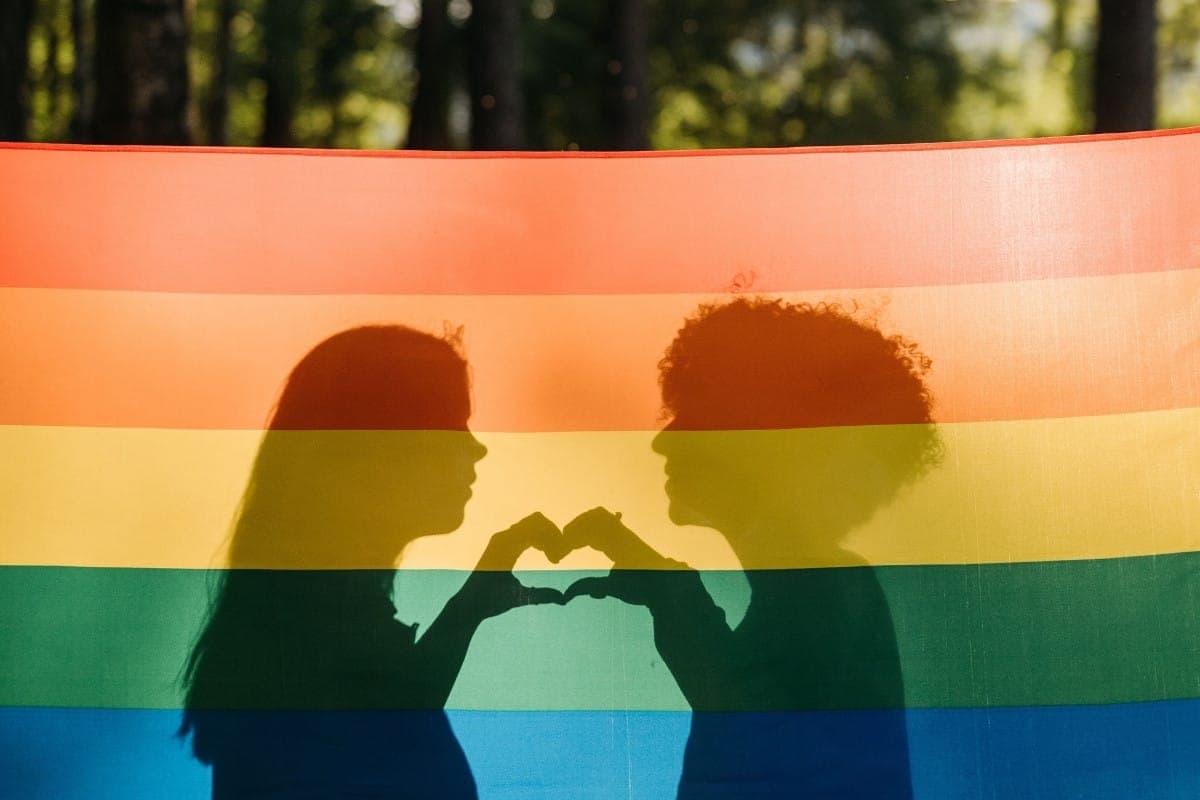
When loneliness and self-doubt take hold, finding community can change everything. Here, Roxy Bourdillon reflects on her journey to belonging, and why queer spaces matter
I am having a dark night of the soul. At 22 years old, lying awake in my childhood bedroom with lilac walls, I am grappling with big, scary thoughts. After almost a decade of resisting it, I must face the truth. I am a lesbian. The word fills me with shame and fear. Shame because that is how society has conditioned me to feel about this term that describes who I am. Fear because of the discrimination and rejection I know I will face – from the world at large and those closest to me. I feel overwhelmingly alone.
Flash forward one year, and finally I come out. As predicted, it blows my life up and fractures relationships with loved ones. But then something wonderful happens. I board a plane to Australia, and in this new country, far away from home, I find what I need: community.
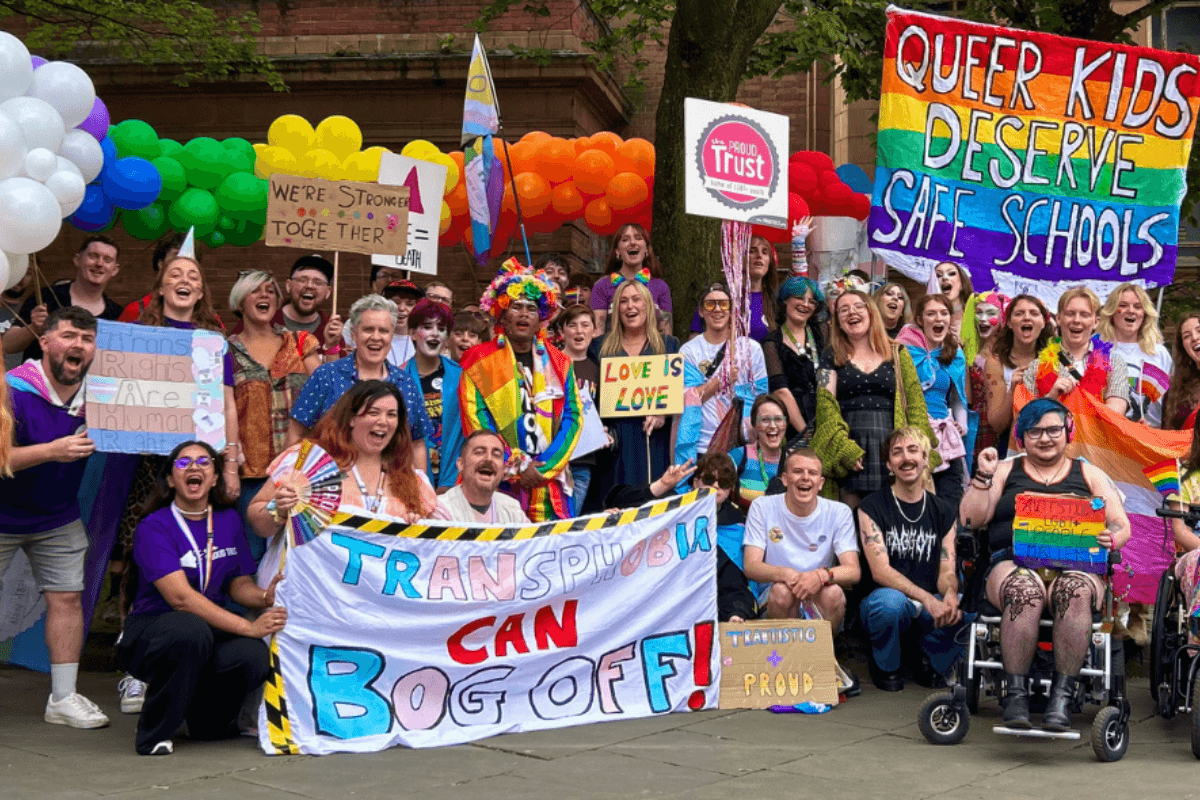
The day after I arrive, I attend Sydney Mardi Gras, my first ever Pride. I’ve never seen so many queer people in one place before. I didn’t know this many queer people existed. I marvel at the ‘Dykes On Bikes’ revving their engines, and cheer for the ‘Mature Age Gays’ wearing matching pink glittery jumpers. This is fun and fabulous, but also profoundly healing. After years spent feeling desperately isolated, suddenly I am faced with the undeniable proof that I am not the only one. There are thousands of others like me, except they are celebrating their identities in the bright sunshine. This revelation feels electric. I don’t stop smiling all day.
Living in Sydney, I seek out other queer spaces. This glorious feeling I’ve just discovered? I want more of it. So I hang out in the local gaybourhood, frequent queer cafes, and join marches for equal rights. I spend time in quieter, calmer spaces, too. Spaces like the city’s picturesque, gay beach and – my favourite of all – the LGBTQIA+ bookshop, where the shelves are lined with queer stories, each waiting to make me feel seen and soothed anew.
I learned that a community doesn’t have to look just one, idealised way. You don’t need to be leading a Pride parade or constantly surrounded by a gang of queer mates, like a real-life, gay version of Friends. Over the years I found community through physical spaces, but also via queer books like Tipping the Velvet, lesbian TV shows like The L Word and, in fact, sapphic publications like DIVA, the magazine I now edit.
Why do queer community spaces matter so much? Studies consistently reveal that LGBTQIA+ people are more likely to suffer from mental health issues. Stonewall’s 2018 LGBT In Britain Health Report showed that over half of LGBTQIA+ people had experienced depression in the past year. Three in five had struggled with anxiety, and devastatingly, 31% of lesbian, gay, and bisexual people, and 46% of trans people, had considered taking their own life. To be clear, it’s not our identities that are making us unwell; it’s the way the world responds to them.
While feelings of loneliness often exacerbate mental health issues, being part of a community provides opportunities for support. Meeting people with shared experiences can make you feel less isolated and more empowered. Observing others living authentically, you start to think perhaps you could do the same.
Whether you’re looking for a podcast to keep you company, real-life events, or mental health support, here are five organisations supporting the queer community:
Queerwell
Community-led mental health and wellness charity.
Older Queer Voices
Offers in-person events, podcasts, and storytelling.
MindOut
Mental health service run by and for LGBTQ+ people.
LGBT Foundation
National charity for LGBTQ+ health and wellbeing.
Switchboard
LGBTQIA+ helpline offering support via phone, email, or online chat.
When I was grappling with my sexuality, it felt incredibly isolating. But the reality is I’m far from alone in this experience. It is one that is familiar to countless LGBTQIA+ people.
Activist, author, and speaker Raga D’silva tells me: “Growing up in India, queer spaces were largely absent from my life. When you don’t see people like yourself around you, it can be difficult to imagine where you fit.”
Although lots of queer people experience loneliness, it can be even more acute when you’re a person of colour, trans, disabled, or older. That last one is why Raga and her wife Nicola created Older Queer Voices. This groundbreaking organisation amplifies the perspectives of older LGBTQIA+ people through podcasts, storytelling, and events – like their recent House of Commons Roundtable and Older Queer Voices Festival.
Raga notes: “Our wellbeing is deeply connected to whether we feel seen, valued, and part of a community. The opposite of loneliness is not simply being around other people. It is a feeling that you belong. For me, that is what Older Queer Voices is all about.”
For Tim Spoor, life before he found queer spaces was also tough. He recalls: “I felt isolated, left to navigate trauma and depression entirely alone. When I was 15 and at my loneliest, I tried to take my own life.” Finding queer spaces like Manchester’s LGBT Centre (now The Proud Place) was transformative.
Today, Tim is co-founder and chief executive of Queerwell, a national charity for LGBTQIA+ mental wellbeing. Intersectional and intergenerational, Queerwell offers virtual and physical spaces, including their regular Sunday Sanctuary featuring workshops and peer support groups.
“Queer spaces are essential because they provide a buffer against chronic minority stress and systemic rejection,” reflects Tim. “They allow us to stop performing or masking our identities, moving us from a state of survival to a state of true belonging, where you can relax and be yourself.”
If you’re a queer person keen to connect with your community, Tim suggests: “Seek out ‘soft entry’ and low-demand spaces that offer connection without the pressure to perform or socialise intensely, such as Queerwell’s Sunday Sanctuary, crafting spaces, or queer cafes.”
Raga adds: “Start small and be kind to yourself. Most importantly, remember that you belong.”
And if you’re searching for that space where you can finally breathe easy, this is what I would like you to know: despite how it might seem, you are not alone. There is a whole diverse community waiting for you. You can find that community in big or small ways, in physical spaces, and on the pages of magazines like DIVA. When you do, it will make you feel connected, not just to others like you, but also to your true self – and what could be more healing than that?
DIVA is the world’s leading magazine for LGBTQIA+ women and non-binary people. Launched in 1994 and still championing the queer community today, DIVA includes celebrity interviews, investigative features, personal essays, and more.
Visit diva-magazine.com and follow @divamagazine on social media.
Find a professional today
Try our guided search tool, we can connect you with over 20,000 professionals.