How to make peace with difficult neighbours
updated on Feb 10, 2026
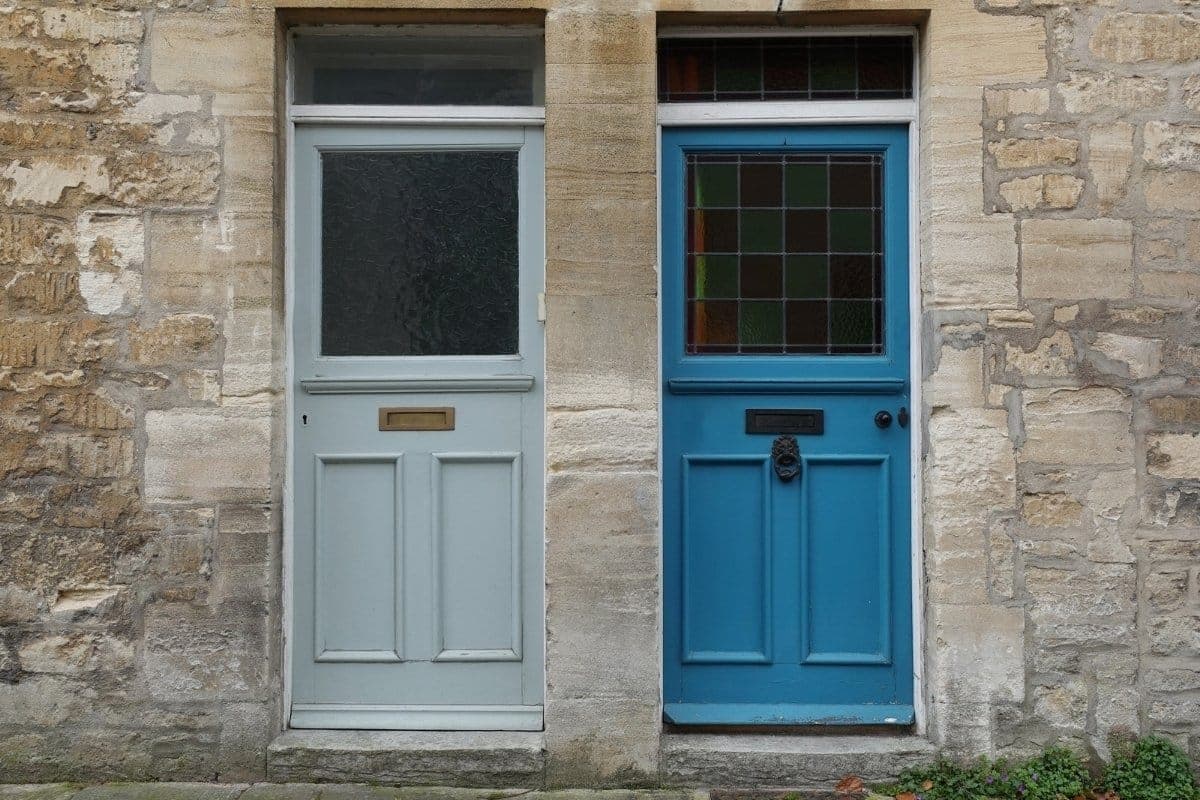
When tensions rise with the people who live nearby, how can you address the issue without making things worse?
Our homes are meant to be our safe havens – places where we can retreat and recharge. They embody our sense of identity, security, privacy, and belonging. So when conflict occurs through neighbours having late-night parties, leaving rubbish in communal spaces, parking wars, or displaying outright aggressive behaviour, it can disrupt your sense of peace and safety.
According to research by property website Rightmove, more than a third of people in the UK have had a row with a neighbour. Unsurprisingly, disputes with neighbours can start to take a toll on your mental health, especially when they’re prolonged, or are becoming more aggravated. No one deserves to feel uncomfortable or threatened in their own space. So, let’s take a look at how to deal with difficult neighbours, so your house can feel like home again.
Try cognitive reframing
When disturbances first occur, remember, it could well be that your neighbour is completely unaware that you can hear their music playing late at night, and would be horrified at the thought. Or maybe the council is late picking up those old couches they’ve left in the hallway of your building – and they’re just as stressed about it as you are. Instead of viewing the issue as something intentionally unpleasant, take a breath, and look at the situation from a different angle.
Counsellor Carolyn Hextall explains that keeping a curious, open mindset can help you communicate calmly, and even prevent the situation from escalating when you do speak to your neighbour about the issues you’re facing.
Put your thoughts on paper
Try writing down your grievance. This can help prepare you for the uncomfortable conversation, because it’ll help you articulate exactly why the issue needs to be addressed. Expressive writing is also shown to alleviate anxiety (as mentioned in a 2018 study published in the journal PLOS One) allowing you to externalise and clarify your thoughts.
“Get really clear on what you are upset about, and then ask to speak with your neighbour,” Carolyn says. Explain how the situation is causing an issue, and politely ask them to resolve it. And if speaking in person feels too intimidating, Carolyn suggests “writing a polite note and posting it through their door”, as a safer way to express the issues.

Keep composure
If your neighbour becomes hostile when you try to communicate with them, Carolyn says: “Remember [psychiatrist and neurologist] Victor Frankl’s quote: ‘Between stimulus and response there is a space. In that space is our power to choose our response.’ And therein lies your power.”
It’s easy to slip into a fight, flight, or freeze response when someone is being antagonistic towards you, but Carolyn recommends doing your best to stay calm, listen, and pause – so you can consciously choose how to respond. If they get angry and raise their voice, it doesn’t mean you need to match their emotional pitch. Keeping your voice even and steady can encourage them to lower theirs. And remember: you are under no obligation to keep engaging with the conversation if you feel threatened. You can always walk away to protect your boundaries, taking time to clear your mind, and assess what you want to say, or do, next.
Escalating matters
Sometimes, the situation just doesn’t get better, or starts to feel unsafe. Pay attention to that feeling. If your neighbour keeps targeting you, shouts, makes threats, damages your property, or makes you feel anxious in your own home, you don’t have to put up with their behaviour.
You also don’t have to handle the situation alone. For ongoing disturbances or harassment, you can contact your local council, or call the non-emergency police line in the UK on 101. It can also be worth documenting and making notes of any contact or incidents, along with the details and times, as a record to refer to if things do escalate.
Additionally, you might want to reach out to your local community mediation service. Most councils have one, and they can help resolve community disputes and anti-social behaviour through free support via a neutral third party. And if you ever feel in immediate physical danger, don’t hesitate to call 999.
There’s other support out there, too: Citizens Advice can walk you through your rights and offer advice for your specific situation; Neighbourhood Watch can offer guidance and community support; and if it’s all feeling too much, Samaritans (116 123) is always there to listen.



Find a professional today
Try our guided search tool, we can connect you with over 20,000 professionals.