Inspiration to find beauty in imperfection, and how to appreciate the stories that the signs of ageing tell about the rich life you’ve lived
It’s no secret that we live in a youth-obsessed culture – one that glorifies looking young (but not necessarily feeling it), and treats ageing as something to be resisted. But a quiet shift is happening – a return to valuing the rich experience, resilience, and confidence that comes with age. It’s called shibui.
What is 'shibui'?
According to Sanae Ishida, Japanese-American author of Shibui: The Japanese Art of Finding the Beauty in Aging, the term originated in the 14th century. Surprisingly, shibui originally meant the bitter aftertaste of an unripe persimmon. Over time, however, it has come to mean nuanced, enduring beauty.
“Shibui is simple yet complex, sophisticated yet unpretentious, wholly rooted in the wabi-sabi philosophy of finding beauty in imperfection,” Sanae says. “Nowadays, shibui is a wide-ranging aesthetic descriptor for art, lifestyle, culinary aspects, fashion, and even personality.”
Underpinning shibui are several core principles. Firstly, simplicity – the idea that something may appear plain at first glance, but reveals layers of texture and character upon further inspection.
Second, there’s subtlety: a quiet sense of refinement, such as the gentle cadence of someone’s voice when they share thoughtful, seasoned advice, or the way they masterfully chop vegetables when preparing a meal.
Then, there’s naturalness. This celebrates beauty that emerges over time, whether it’s the patina on a favourite cooking pot, or the muted, faded tone of a once-bright scarf.
Applied to ageing, shibui encourages us to appreciate things that signal the passing of time. It reframes ageing as the process of developing this understated charm and character, where every mark, habit, and piece of wisdom tells a story.
So, how can we embrace the art of shibui as we grow older?
Take inspiration from nature
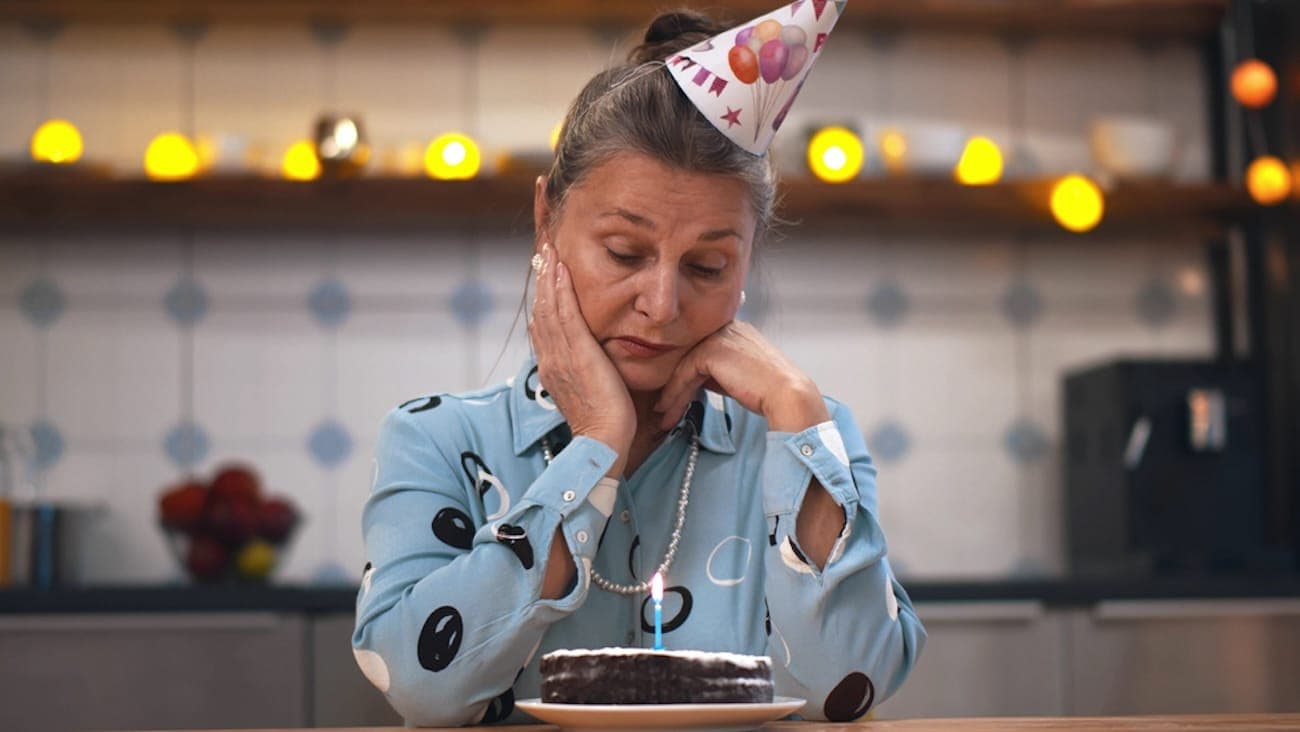
In Western culture, in particular, people are faced with a constant pressure to achieve and maintain a youthful appearance. Various procedures, products, and treatments that claim to reverse visual signs of ageing are in ever-growing demand.
In contrast, shibui is about celebrating the changes that come with ageing, not running away from mortality. “Ageing is the brilliance of autumnal foliage, beautiful in its own right. We have become a world in constant pursuit of evergreen everything, but nature is designed for variety and transitions,” says Sanae.
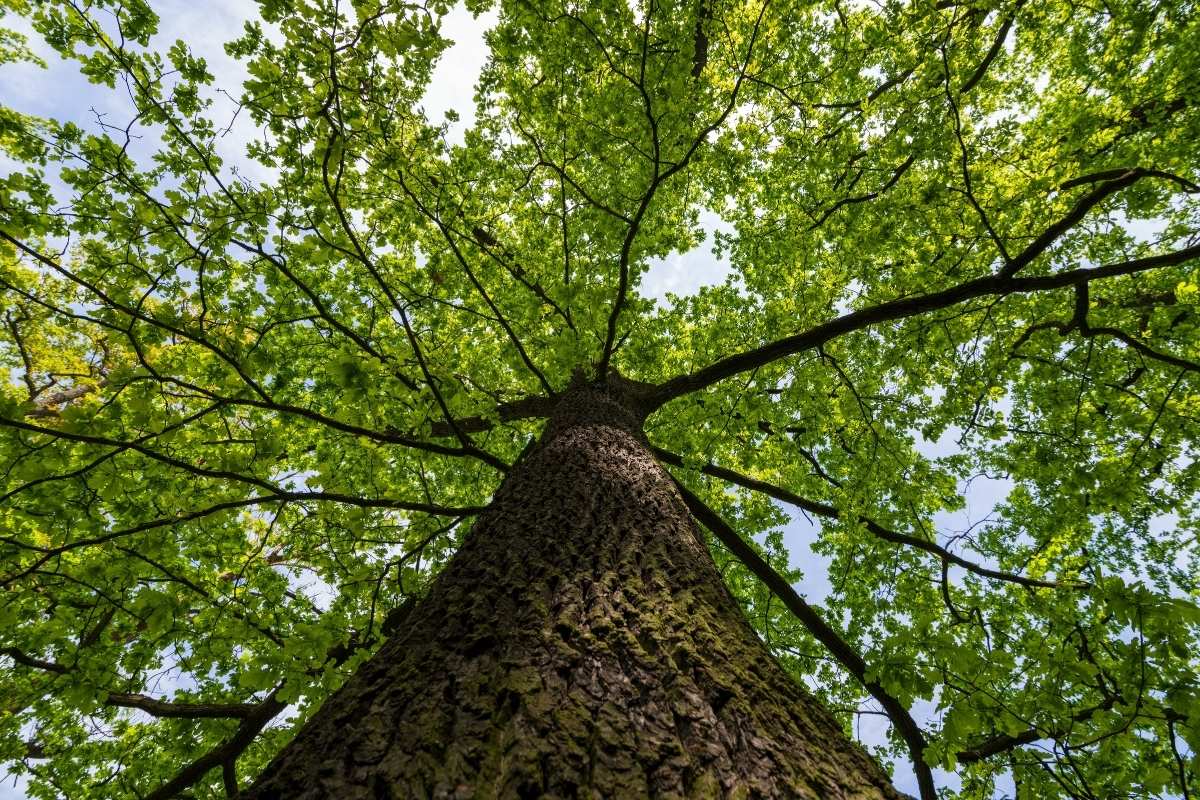
Crucially, shibui is about acknowledging that there is value that emerges because of, not despite, ageing – much like the enduring peace and strength that radiates from ancient trees, the evocative vintage feel of antiques and old buildings, and the richness of flavour and umami in fermented foods.
Let go of expectations
One of the things that life coach Robert Sanders says is worth celebrating later in life is an evolved sense of autonomy. “Being old feels like it gives us the right to stop people-pleasing, and be much more authentic,” he says.
While this all sounds empowering, the reality is that we tend to be more cautious and risk-averse as the clock ticks by. But to get the most out of life, Robert says, we need to challenge that internal voice that tells us we’re ‘too old’.
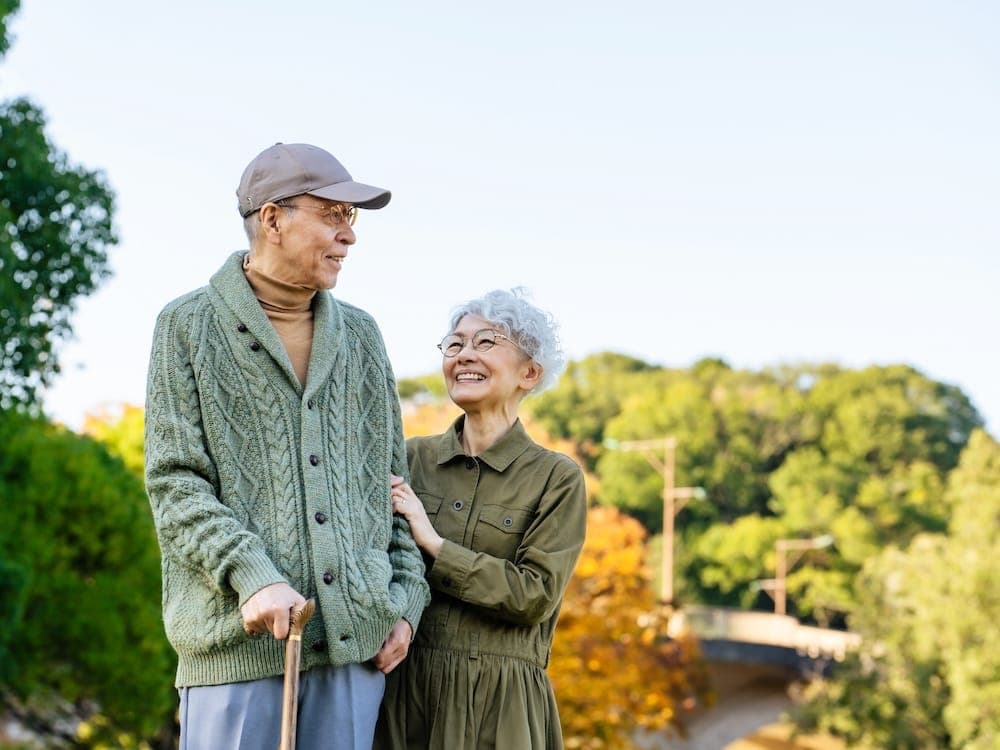
After retirement, Robert explains, people often have a newfound freedom to explore activities, places, and vocations they didn’t have as much time for before. “One client of mine had been struggling to learn violin for years before his retirement,” Robert says. “He now plays in six bands.”
Care for your vessel
For Sanae, it was the diagnosis of a serious chronic illness at the age of 40 that helped her readdress her priorities around ageing: “Up to that point, I’d lived as though I was invincible.”
Before the onset of her illness, Sanae admits she hadn’t taken great care of her health, and it was this confronting experience that switched her mindset. “The wrinkles and sagging skin feel inconsequential,” she says. “The soul-sucking comparison reveals itself to be a time-waster.”
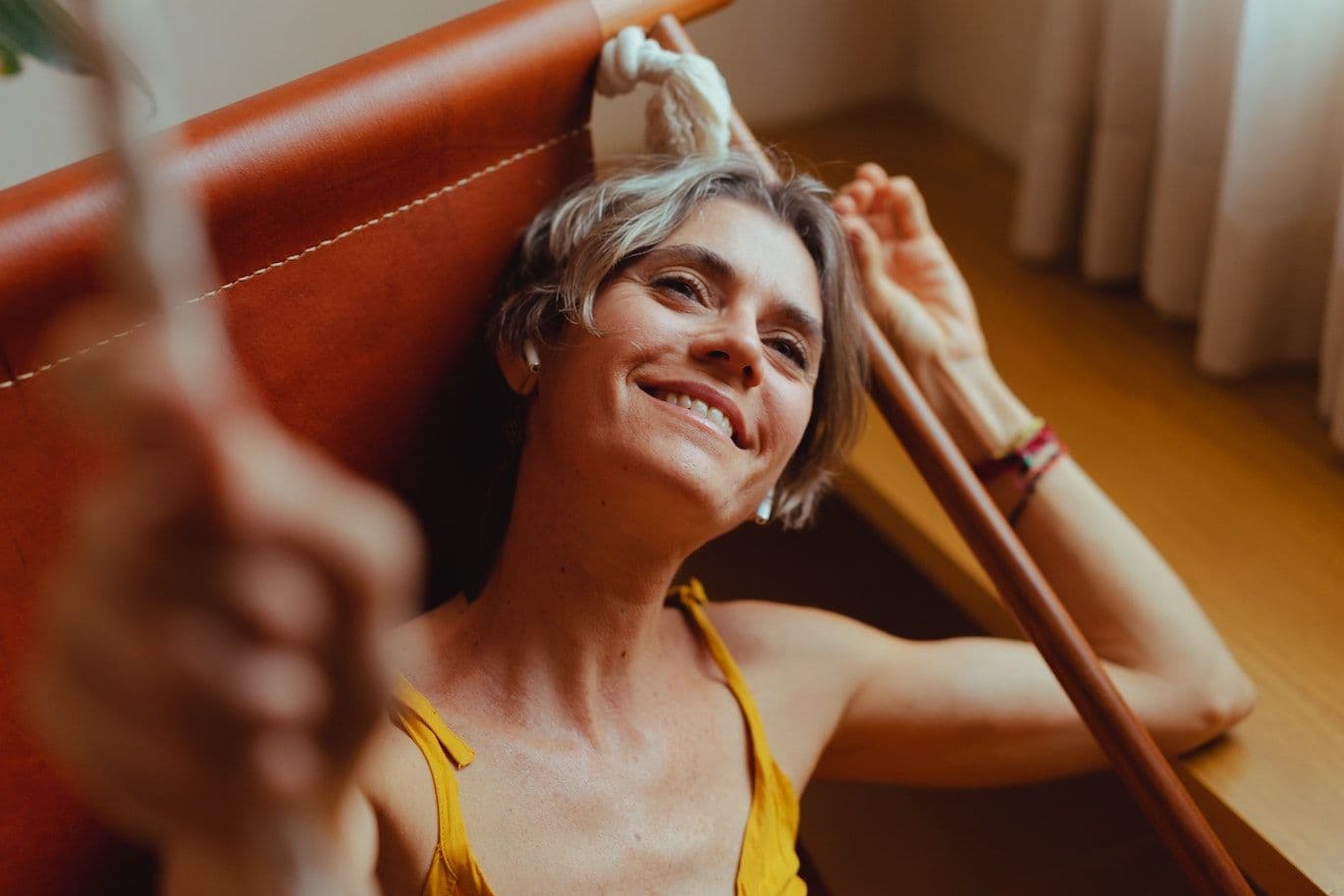
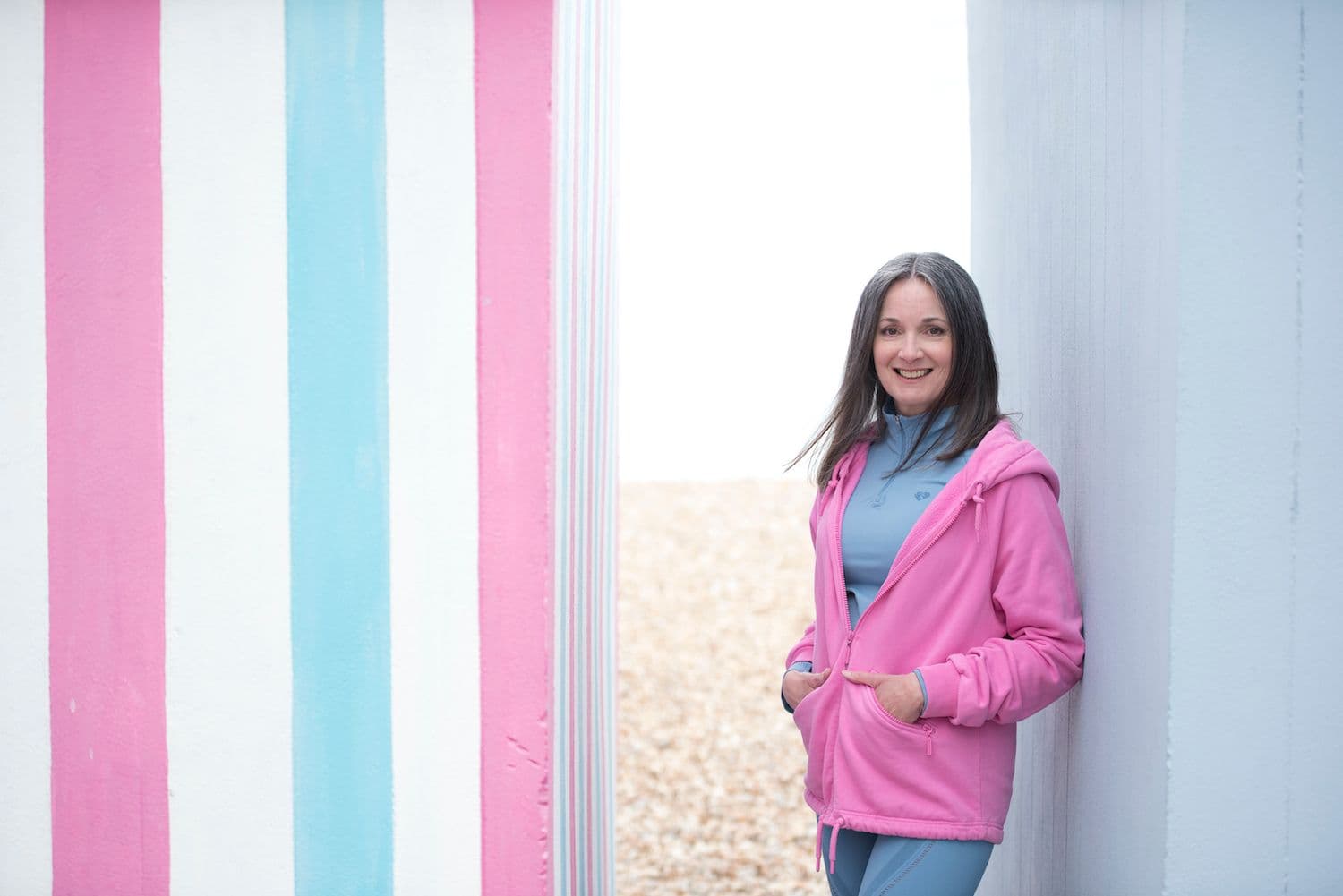
Shibui reminds us that the physical signs of ageing aren’t flaws to correct, but evidence of a life well-lived. Deep smile lines, for instance, are a sign of years of laughter and happy moments. The silvering of hair, a soft gleam of wisdom. The change in clothing, a marker of a signature style that’s gradually cultivated.
How to embrace and appreciate ageing
When finding ways to embrace ageing, Sanae recommends talking to people younger than yourself. “Particularly teenagers, when I interact with them, I viscerally remember the angst and awkwardness I experienced at their age, and realise how much more I understand myself now,” she explains.
By the same token, she recommends spending time with people older than yourself – people who can show you how you might like to age. “There’s an elegant cadence and progressive expansion that happens with each developmental stage,” she says, if we stop resisting it.
Shifting from a focus on youth to embracing shibui can be tough, at first. Noticing wrinkles, greys, or changes in energy can stir up a mix of emotions – and it’s natural to feel uncertain when entering a new phase of life. You can start to adjust, embrace, and enjoy ageing by acknowledging these changes, noticing them without judgement, and encouraging yourself to feel curiosity and appreciation for what they reveal about the years you’ve lived.
At its core, shibui encourages us to look for the beauty in imperfection. It shows us that ‘flaws’ are interesting, that every daily ritual you perform, story you tell, well-loved object you use everyday, and practised skill you hold dear is the sum of your unique life experiences. By making the effort to notice them, you’ll begin to see that ageing is not a loss, but a privilege, and a truly rich and beautiful stage of life.
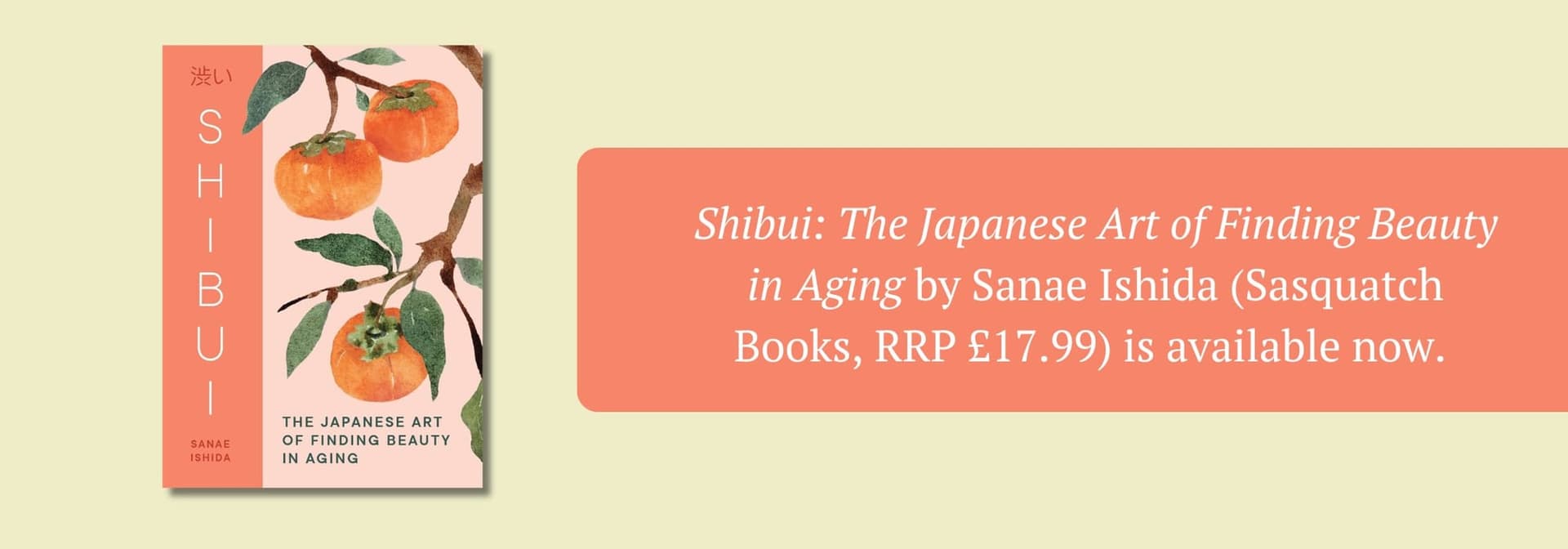
As a special offer, use the code R6002 on giftstome.co.uk to get it for £14.40 (+P&P). Offer ends 31 January 2027.



Find a professional today
Try our guided search tool, we can connect you with over 20,000 professionals.