From land art to litter hunts, these ideas prove that sustainability can be fun for all the family
Spring is often framed as a time for productivity, with sorting and cleaning traditional ways to usher in the season. But it can also be an invitation to slow down, reconnect, and tread a little more gently in the world around us.
Whether you’re looking for ideas to try with children, friends, or simply for yourself, these simple spring activities offer a way to care for the planet, while also supporting your overall wellbeing.
Make land art
Spring comes with lots of free arts and craft materials, if we know where to look, that is. Fallen leaves, petals, pebbles, twigs, seeds – all of them can be repurposed into artistic creations without buying anything new.
If you’re feeling inspired, take to your local greenspace, and create a temporary piece of ‘land art’ using only natural materials you find on the ground. Before you begin, explore the land art movement online, by looking at artists such as Andy Goldsworthy or Richard Shilling.
As well as sparking creativity, this kind of activity encourages observation. What does the bark feel like against your fingers? Which leaves are brittle, which are soft? How do colours change in the shade?
The beauty of land art is its impermanence. When you’re finished, the work can be left to return to the earth, after providing some eye-catching imagery for passersby.
Become a wildlife detective
As the seasons change, spring is one of the busiest times of year in the natural world, which makes it the perfect backdrop for a wildlife survey. Set yourself the challenge of recording 15 different species in your local area, whether that’s your back garden, park, or nature trail.
With the help of binoculars and magnifying glasses, even the most ordinary patch of ground can reveal entire worlds we otherwise might miss. Birds, beetles, plants – even droppings or footprints – all tell a story about the wildlife that lives on our doorstep.
You could track your findings in a nature diary, using notes, sketches, and photos to document what you notice.
Get planting
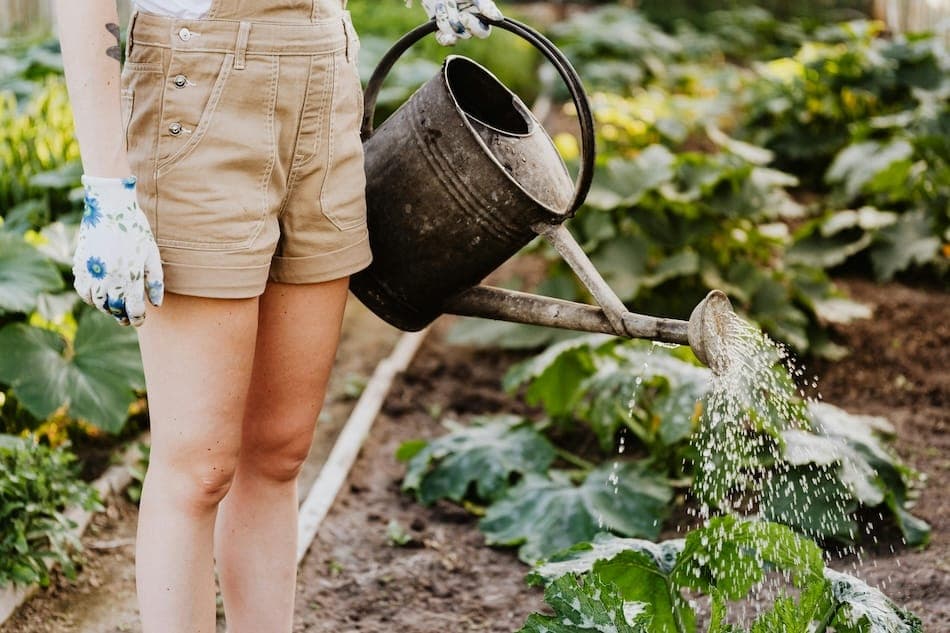
As we enter the growing season – the exciting time of the year when we can get our plants in the soil – it’s the perfect opportunity to try your hand at gardening.
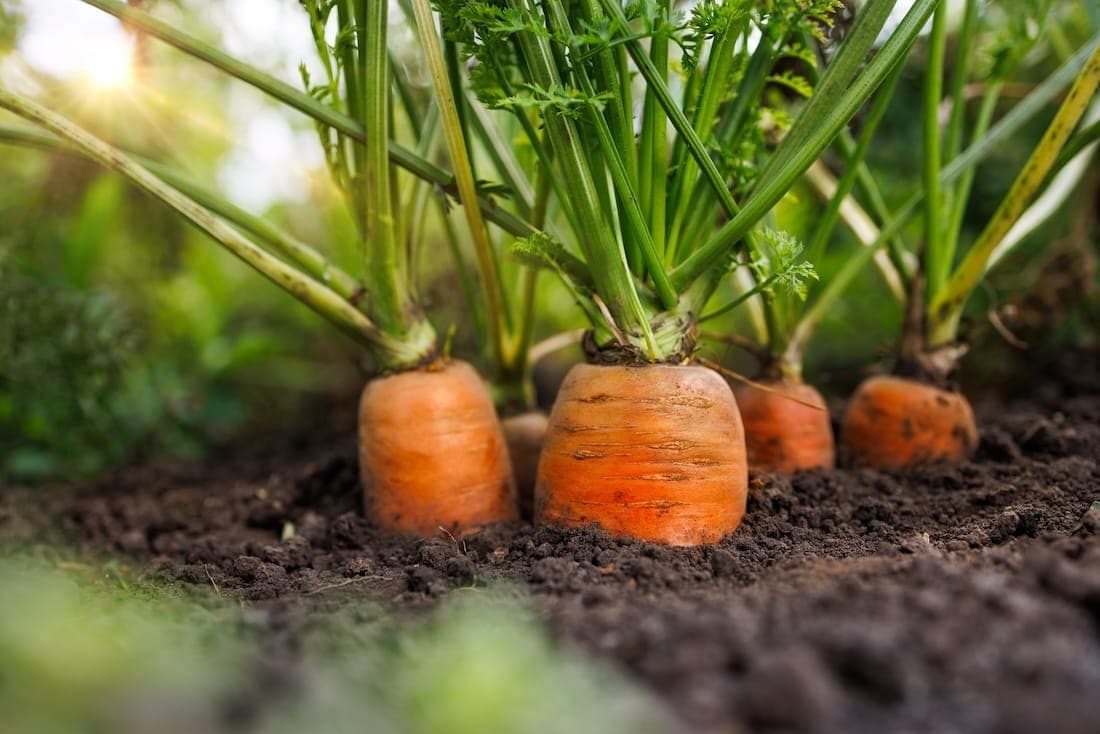
Through March and April, you can begin to sow hardy vegetables (think carrots, beetroot, spinach, lettuce, onions, and peas) directly in the ground outside, and tender crops such as tomatoes, peppers, and cucumbers under cover in greenhouses and on windowsills. Not only does growing your own food curb emissions, but it’s also a fantastic way to connect to the season, gain a better idea of what’s on your plate, and embrace your place in nature as you nurture your plants.
Turn litter picking into a fun game
Litter picking doesn’t sound joyful on paper, but in practice it often is – especially when framed as a scavenger hunt, rather than a chore.
Armed with gloves, bags, and (if possible) a pick-up stick, head out with the aim of giving your local area a facelift, collecting ‘points’ for how many bags you fill. Children, in particular, tend to love the sense of purpose, the tools (who doesn’t love a litter picking grabber?), and the quick visible results.
Try out alternative ways of travelling
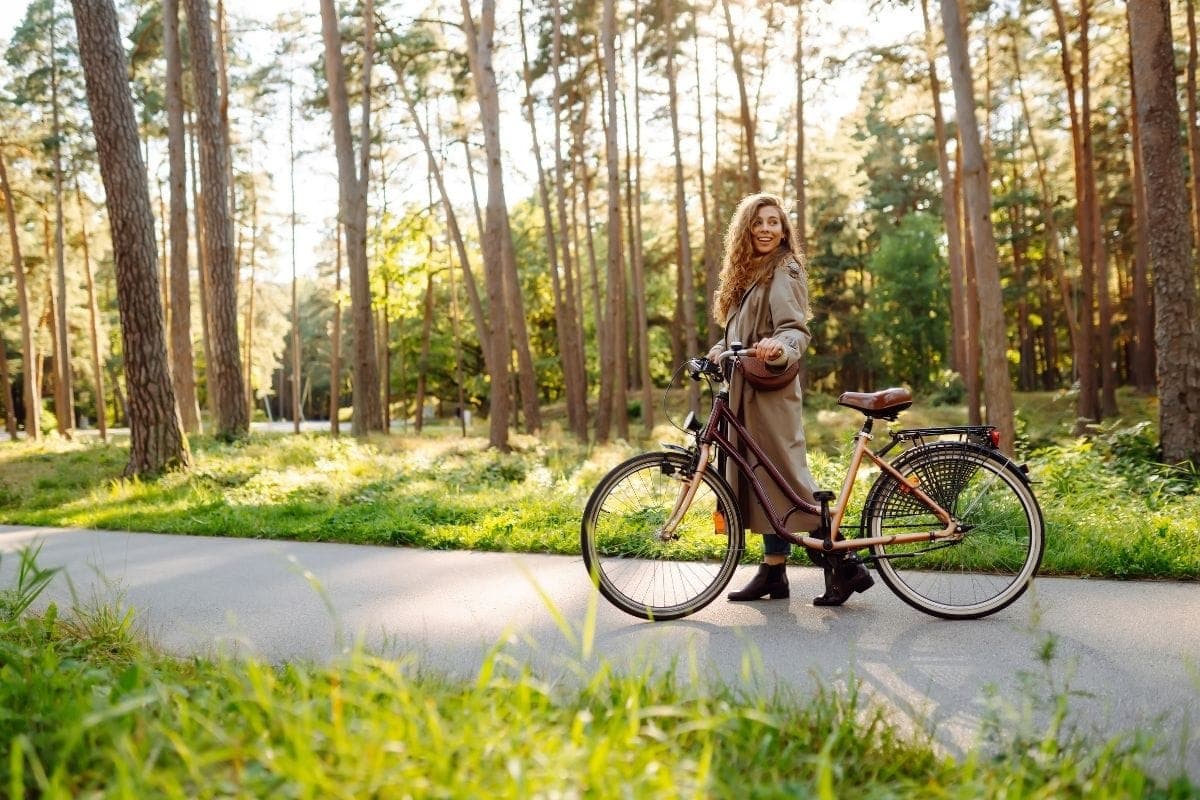
Spring is a good time to take the road less travelled by switching up your mode of transport now and again. Not only do walking, cycling, and public transport reduce emissions, but they also have a direct impact on how we experience the world.
Walking or biking allows us to notice blossoming trees, enchanting birdsong, and shifting light – details that are less visible when travelling inside a car. For longer journeys, trains and buses can become opportunities to read, rest, or simply watch the landscape move past. Children often love the novelty of public transport, so pick a scenic route, pack some sandwiches, and prepare for an adventure!
Build a bug hotel
The creepy crawlies that live in our gardens play a crucial role in pollination and soil health, and making a ‘bug hotel’ is a great way to help them do just that. Using natural and recycled materials – such as sticks, hollow stems, bark, and old plant pots – you can create sheltered spaces for different species. As you build, it’s an opportunity to talk to children about why insects matter, and to challenge the ‘pest’ label many of them carry. Once in place, a bug hotel is something you can observe over time, as a reminder that even small actions can make a difference to our environment, and the creatures we share it with.



Find a professional today
Try our guided search tool, we can connect you with over 20,000 professionals.